
Top Winter Maintenance Tips Every Homeowner Should Know
Winter has a way of exposing small home issues very quickly.
Cold temperatures, snow, and ice can turn minor problems into costly repairs.
That is why preparation always beats emergency fixes.
This guide covers the Top Winter Maintenance Tips Every Homeowner Should Know in a clear and practical way.
Think of it as friendly advice from a homeowner who has survived many winters.
1. Seal Drafts and Lock the Warmth Inside
Stopping heat loss is one of the easiest winter wins.
Drafts force your heating system to work overtime.
That means higher bills and less comfort.
Inspect windows and doors for visible gaps.
Replace worn weather stripping and cracked caulking immediately.
These fixes are inexpensive and highly effective.
Do not forget attic insulation.
Heat rises, and poorly insulated attics leak warmth fast.
According to the U.S. Department of Energy, proper insulation can significantly reduce heating costs.
You can review insulation guidance at the U.S. Department of Energy.
For long-term upgrades, professional planning makes a difference.
Learn more about expert renovation solutions through What We Do at GSS Builders.
2. Prevent Frozen Pipes Before They Burst
Frozen pipes are one of winter’s most expensive problems.
They expand, crack, and cause major water damage.
Start by insulating exposed pipes in basements, crawl spaces, and garages.
Foam insulation sleeves work well and install quickly.
Focus on pipes near exterior walls.
Disconnect outdoor hoses and drain remaining water.
Cover outdoor faucets with insulated covers.
On extremely cold nights, allow indoor faucets to drip slightly.
The Insurance Institute for Business & Home Safety highlights pipe freezing as a top winter risk.
You can read their prevention tips at the IBHS website.
If plumbing upgrades are needed, reviewing past renovation work helps.
Explore completed projects in the GSS Builders Portfolio.
3. Give Your Heating System Some Attention
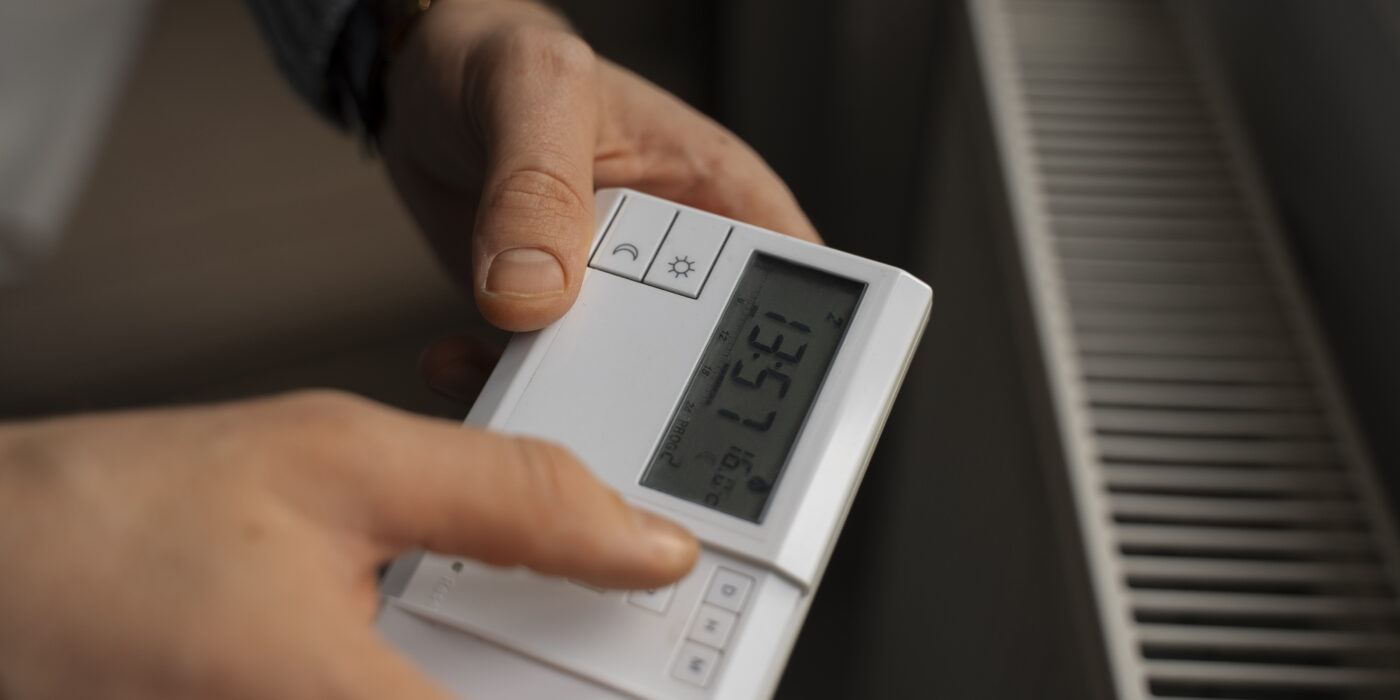
Your heating system works hardest during winter.
Ignoring it often leads to breakdowns at the worst time.
Schedule a professional HVAC inspection early.
Technicians can clean components and catch issues early.
This improves efficiency and indoor air quality.
Change furnace filters every one to three months.
Dirty filters block airflow and waste energy.
This small habit extends system life.
The Environmental Protection Agency recommends regular HVAC maintenance for energy efficiency.
You can find helpful tips at Energy Star by the EPA.
Make sure vents are not blocked by furniture.
Balanced airflow keeps rooms evenly heated.
4. Inspect the Roof and Clean the Gutters
Your roof faces constant winter stress.
Snow buildup, ice dams, and wind take a toll.
Check for missing or damaged shingles before snow arrives.
Fixing issues early prevents leaks later.
Even small repairs make a big difference.
Clean gutters thoroughly in late fall.
Clogged gutters trap water and form ice dams.
Ice dams can damage roofs, siding, and insulation.
Ensure downspouts direct water away from your foundation.
Proper drainage protects your home’s structure.
This step is often overlooked.
For structural repairs or exterior upgrades, trusted builders matter.
Visit the GSS Builders Homepage to learn more.
5. Prepare Outdoor Areas for Winter Conditions
Outdoor spaces also need winter care.
Ignoring them shortens their lifespan.
Store patio furniture in dry, covered areas.
Clean items before storage to prevent mold and rust.
Cold moisture causes long-term damage.
Trim tree branches close to your home.
Heavy snow can snap weak limbs.
This protects roofs, windows, and siding.
Clear walkways and apply ice melt early.
Use pet-safe and eco-friendly products when possible.
The ASPCA offers guidance on safe deicers at aspca.org.
6. Why Winter Maintenance Saves You Money
Some homeowners see winter maintenance as optional.
In reality, it protects both comfort and finances.
Preventive care reduces emergency repair costs.
Emergency services are always more expensive.
Small fixes today prevent big bills tomorrow.
Energy efficiency also improves.
Sealed homes use less heat and have lower utility costs.
Savings add up over the season.
Well-maintained homes retain value better.
Buyers notice maintenance details quickly.
It shows pride of ownership.