CategoriesHome Building Home Buying Tips Real Estate Trends

Why New Homes Are More Popular With Buyers Than Existing Homes

In today’s housing market, buyers are making a noticeable shift. More families are choosing newly built homes instead of resale properties. From a builder’s perspective, the reasons are clear and practical. Why New Homes Are More Popular With Buyers Than Existing Homes comes down to design, efficiency, reliability, and long-term value.

New construction is not just about modern finishes. It is about building homes that fit today’s lifestyle and tomorrow’s needs.


Designed for Modern Living

Older homes were built for a different generation. Floor plans often include smaller rooms, closed kitchens, and limited storage. Today’s buyers expect something different.

New homes are thoughtfully designed with:

  • Open-concept living areas

  • Spacious kitchens with large islands

  • Dedicated home offices

  • Flexible bonus rooms

  • Larger closets and storage spaces

These features are difficult and expensive to add to an existing home. Renovations can require structural changes and major upgrades. New construction solves that issue from the beginning.

Builders design homes around how families live today. Natural light, flow, and functionality are priorities.

To see how modern layouts come together, explore this custom home builder portfolio of completed projects. It showcases how intentional design improves everyday living.

This strong focus on functionality is one major reason why new homes are more popular with buyers than existing homes.


Energy Efficiency and Lower Utility Costs

Energy efficiency is no longer optional. Buyers want homes that save money every month. New construction homes are built to meet stricter energy codes and modern standards.

These homes often include:

  • Advanced insulation systems

  • Energy-efficient windows

  • High-efficiency HVAC systems

  • Smart thermostats and lighting

Older homes may require costly upgrades to reach similar efficiency levels. According to this comparison by Rocket Mortgage on old house vs. new house, maintenance and energy improvements are common expenses in resale homes.

When a home is built with modern materials from the start, it performs better. Lower utility bills and improved comfort make a significant difference over time.

Investopedia also highlights market factors driving interest in new construction. You can read more in this article discussing why new homes are gaining popularity.


Reduced Maintenance and Greater Peace of Mind

One of the strongest advantages of new construction is reliability. Everything inside the home is brand new. Roofing, plumbing, electrical systems, and appliances have not experienced wear and tear.

In resale properties, hidden issues can surface after purchase. Repairs can become expensive and stressful. Forbes recently explored how aging homes can cost more than buyers expect. Learn more here:
Why old homes suddenly cost more than shiny new ones.

New homes typically include builder warranties. This coverage protects structural components and major systems. Buyers gain peace of mind knowing their investment is protected.

That sense of security plays a large role in why new homes are more popular with buyers than existing homes.


Personalization and Custom Features

Customization is another major factor driving demand. Buyers no longer want to remodel someone else’s style. They want homes that reflect their preferences from day one.

New construction often allows buyers to select:

  • Cabinet finishes

  • Countertops

  • Flooring materials

  • Paint colors

  • Fixtures and hardware

Instead of budgeting for renovations later, buyers can make selections during the building process.

Working with experienced professionals ensures these choices come together smoothly. Homeowners interested in custom construction can explore available services through this detailed overview of what professional home builders provide.

Personalization makes the home feel intentional and uniquely tailored.


Smart Home Technology Integration

Technology plays a bigger role in homeownership than ever before. New homes are often pre-wired for smart systems and integrated technology.

Common features include:

  • Smart security systems

  • Video doorbells

  • Automated lighting

  • Whole-home networking

Retrofitting older homes for smart features can be costly and complicated. New construction makes technology seamless from the beginning.

Buyers appreciate homes that are ready for modern living without additional upgrades.


Competitive Incentives and Long-Term Value

Builders frequently offer competitive incentives. These may include closing cost assistance or design upgrades. Such incentives can make new homes financially attractive.

In addition, newer homes often maintain resale appeal longer. Modern layouts and energy-efficient systems remain desirable in future markets.

While older homes may carry charm and history, they often require updates to stay competitive.


Conclusion

The growing demand is easy to understand. Why New Homes Are More Popular With Buyers Than Existing Homes centers on efficiency, modern design, lower maintenance, and personalization.

New construction provides predictability and long-term value. Buyers gain control over design choices and confidence in structural integrity.

For those considering building instead of purchasing resale, exploring professional guidance is an important first step. Learn more about quality construction and craftsmanship by visiting the GSS Builders homepage.

When ready to begin planning a custom home, take the next step here:
👉 Start Your Custom Home Journey Today

New homes offer more than new finishes. They offer clarity, comfort, and confidence in one of life’s biggest investments.
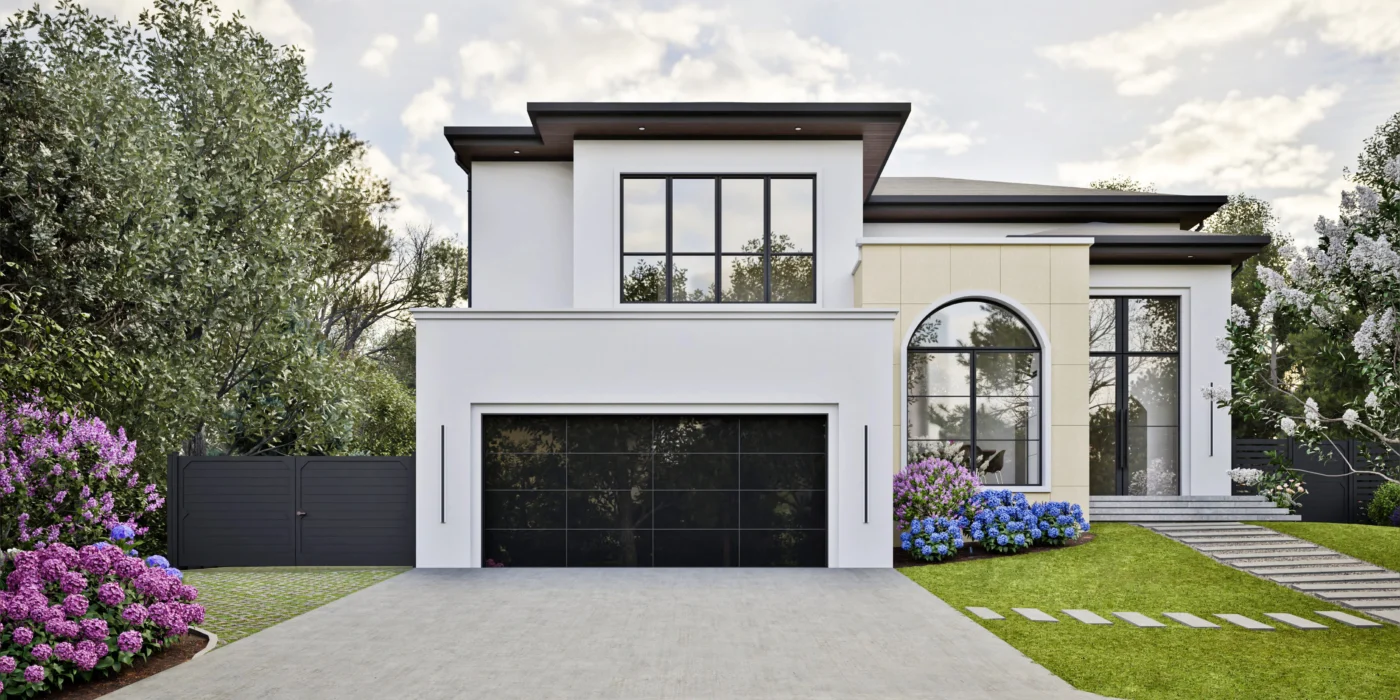
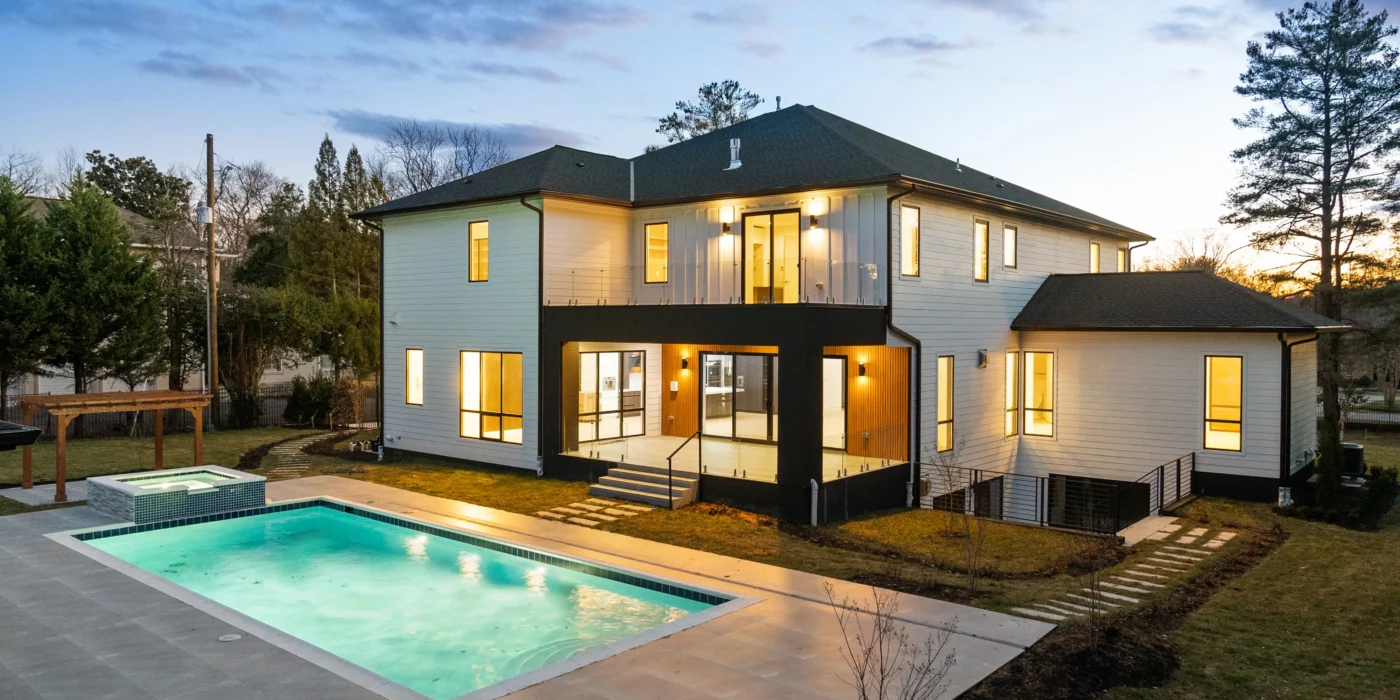
Front exterior rendering of 1427 Pathfinder Lane luxury home in McLean, Virginia.
CategoriesHome Building Home Buying Tips

How to Choose a Home Builder: Things to Know

Choosing the right home builder can feel overwhelming, exciting, and slightly terrifying all at once.
After a decade of blogging about homes and construction, I have seen every success story and horror story.
This guide will walk you through How to Choose a Home Builder with clarity, confidence, and fewer headaches.

Whether you are building your first home or your forever home, smart choices matter early.


Why Choosing the Right Home Builder Really Matters

Your home builder controls quality, timelines, and your stress levels for months.
A great builder becomes a partner, not just a contractor with a toolbox.
A bad builder becomes a daily source of regret and unexpected expenses.

Knowing How to Choose a Home Builder helps protect your budget and peace of mind.
It also ensures your home meets safety codes, design goals, and future resale value.

If you want inspiration and proven craftsmanship, visit the GSS Builders homepage to see what quality looks like.


Start With Research, Not Emotions

It is tempting to fall in love with the first builder you meet.
Slow down and treat this like a business decision.

Check Credentials and Licensing

Always confirm licenses, insurance, and certifications before any serious conversation.
Legitimate builders proudly share this information without hesitation.

You can also review trusted guidance from the National Association of Home Builders.

Review Past Work Carefully

A builder’s portfolio tells you more than any sales pitch.
Look for consistency, attention to detail, and completed projects similar to your vision.

Browse real examples through this home builder project portfolio for clarity.


Ask the Right Questions Before Signing Anything

Smart questions reveal how a builder truly operates.
Do not worry about sounding picky.
This is your future home.

Here are essential questions to ask:

  • How long have you been building homes locally?

  • What is included in your standard pricing?

  • How do you handle delays or unexpected costs?

  • Who manages the project daily?

Understanding communication styles helps avoid frustration later.

For additional insights, Houzz offers excellent advice in their guide on working with a home builder.


Understand Services, Not Just Prices

Price shopping alone leads to costly mistakes.
Low bids often hide shortcuts, cheap materials, or surprise add-ons.

Instead, focus on value and transparency.
A detailed estimate shows professionalism and honesty.

Explore the full range of construction services offered by visiting What We Do.
This helps you compare builders fairly and realistically.

When learning How to Choose a Home Builder, clarity beats cheap every time.


Read Reviews and Talk to Past Clients

Online reviews matter, but conversations matter more.
Ask builders for recent client references.

Speak directly with homeowners about:

  • Communication quality

  • Schedule accuracy

  • Budget management

  • Post-construction support

Patterns tell the truth.
One bad review happens.
Multiple similar complaints signal danger.


Pay Attention to Contracts and Timelines

Never rush contract reviews.
Every detail should be written clearly and understandably.

Key contract elements include:

  • Payment schedules

  • Completion timelines

  • Warranty coverage

  • Change order processes

If something feels vague, ask questions immediately.
Good builders welcome clarity and transparency.


Trust Your Instincts, Backed by Facts

Chemistry matters when working closely for months.
You should feel heard, respected, and informed.

However, instincts should support evidence, not replace it.
Combine research, references, and communication quality for the best decision.

That balance defines How to Choose a Home Builder successfully.


Ready to Build With Confidence?

Choosing a home builder does not need to feel stressful or confusing.
The right partner makes the process exciting and rewarding.

If you want expert guidance, proven experience, and clear communication, take the next step today.

👉 Start Your Project With Confidence

A simple conversation can turn your dream home into a real address.

CategoriesHome Buying Tips Real Estate Trends

Is McLean, Virginia a Good Place to Invest in Real Estate Right Now?

McLean, Virginia is still a strong, high-end market, and for many buyers and landlords it remains a smart long-term real estate play right now. That said, prices, inventory, and rental trends all point to a market where strategy matters more than ever.

Why McLean, Virginia Keeps Investors Interested

McLean sits in one of Northern Virginia’s most desirable pockets, with luxury homes, excellent schools, and quick access to Washington, DC. This combination keeps buyer demand and prestige high, even when the broader market cools or interest rates wobble.

Recent data shows average home values in McLean above 1.4 million dollars, with modest price growth around one to four percent year over year. That means the market is not exploding like the pandemic boom years but still trending upward rather than sliding backward.

For investors who think in decades, the appeal lies in stability, top-tier schools, and a deep pool of affluent buyers and renters. For short-term speculators chasing quick flips, the slower, more balanced pace may feel less exciting but also less risky.

If you are exploring custom builds, luxury rehabs, or infill development, it helps to partner with experienced builders who know what high-end buyers expect today, from floor plans to finishes. You can get inspiration from a luxury-focused portfolio like the one at GSS Builders’ project gallery, which highlights the kind of craftsmanship McLean buyers look for.

The McLean housing market is described as “somewhat competitive,” with homes still selling but not in the frenzied bidding wars of recent years. Inventory has increased compared to last year, giving buyers and investors a bit more breathing room and negotiation power.

Median list and sale prices sit deep in luxury territory, often in the two million dollar range and higher, especially for newer custom homes. This means entry costs are high, but so are potential resale and rental numbers if the property is positioned correctly.

Analysts note that McLean’s appreciation has cooled from the rapid spikes of the early 2020s, shifting to steadier annual gains of roughly one to five percent. For many investors, that kind of consistent, low-drama growth is exactly what a “safe but not sleepy” portfolio anchor looks like.

If you want a broader feel for where Northern Virginia might be heading through 2026, market outlooks for the region highlight factors like federal employment, mortgage rates, and inventory shifts that ripple into premium suburbs like McLean.

What About the Rental Market in McLean?

On the rental side, McLean is not a bargain destination, and that is good news if your strategy includes buy-and-hold or build-to-rent. Average apartment rents hover in the mid-two-thousand range and above, and single-family rentals in prime neighborhoods can command significantly more.

Data shows average rent in McLean close to three thousand dollars a month, outpacing many nearby cities and reflecting strong demand from professionals who want proximity to Tysons, DC, and major employers. Studio and one-bedroom apartments also show steady or rising rents, which helps smaller investors entering the market with condos or smaller units.

For long-term landlords, this combination of high incomes, strong schools, and limited land supply creates a resilient tenant base, even when national headlines sound gloomy. Just remember that renters at this price point expect quality finishes, thoughtful layouts, and professional management, not bare-minimum fixes.

How to Approach Investing in McLean Real Estate

If you are asking “Is McLean, Virginia a Good Place to Invest in Real Estate Right Now?” the honest answer is that it can be excellent if your strategy matches the market. McLean usually rewards patient, well-capitalized investors more than those hoping for quick, speculative flips.

Here are a few practical angles to consider:

  • Focus on quality, not just price, because buyers and tenants in McLean pay a premium for design, craftsmanship, and location.

  • Consider new construction or major renovations in established neighborhoods, where modern luxury homes can stand out and justify top-tier pricing.

  • Run conservative projections using modest appreciation and realistic rent assumptions so the deal still works if the market moves sideways for a year or two.

Working with a builder or development partner who understands high-end residential design can make a huge difference in both resale appeal and return on investment. You can explore what we do as custom home builders and remodelers to see how professional planning helps projects in luxury markets succeed. Check out the services page at GSS Builders – What We Do.

For inspiration on modern layouts, luxury finishes, and successful past projects, browsing a curated portfolio is a quick way to see what resonates in high-value communities like McLean. You can tour completed and in-progress homes at the GSS Builders portfolio to spark ideas for your own investment plans.

If you are feeling ready to run numbers on a new build, teardown, or renovation project, having a friendly expert in your corner makes the process less stressful and way more fun. You can easily start the conversation and share your ideas through the contact page at GSS Builders.


Looking for personalized guidance on a potential project or property near McLean? You can tap into expert help and begin planning your next move with one simple click: Schedule a project chat.

For broader context on home loans, rates, and market trends that affect timing, you can also explore resources like this Northern Virginia housing outlook. And if you want more ideas and project inspiration, the GSS Builders homepage is a helpful place to start your deep dive into high-quality residential construction.

Solar Panels
CategoriesHome Buying Tips

Solar Panels for New Homes: Are They Worth It?

As the world moves toward greener living, the question “Solar Panels for New Homes: Are They Worth It?” is popping up everywhere. Homeowners are now more conscious about sustainability, utility bills, and long-term savings. If you’re building or buying a new home, you might be wondering whether solar panels are a smart investment or just another trendy add-on. Let’s break it down in a fun, easy-to-understand way!


☀️ The Rising Popularity of Solar Energy

Solar energy isn’t just for eco-enthusiasts anymore, it’s for everyone. Over the last decade, solar technology has become more affordable, efficient, and accessible. According to the U.S. Department of Energy, the average cost of solar panels has dropped by more than 60% in the past ten years. That’s a game-changer for homeowners!

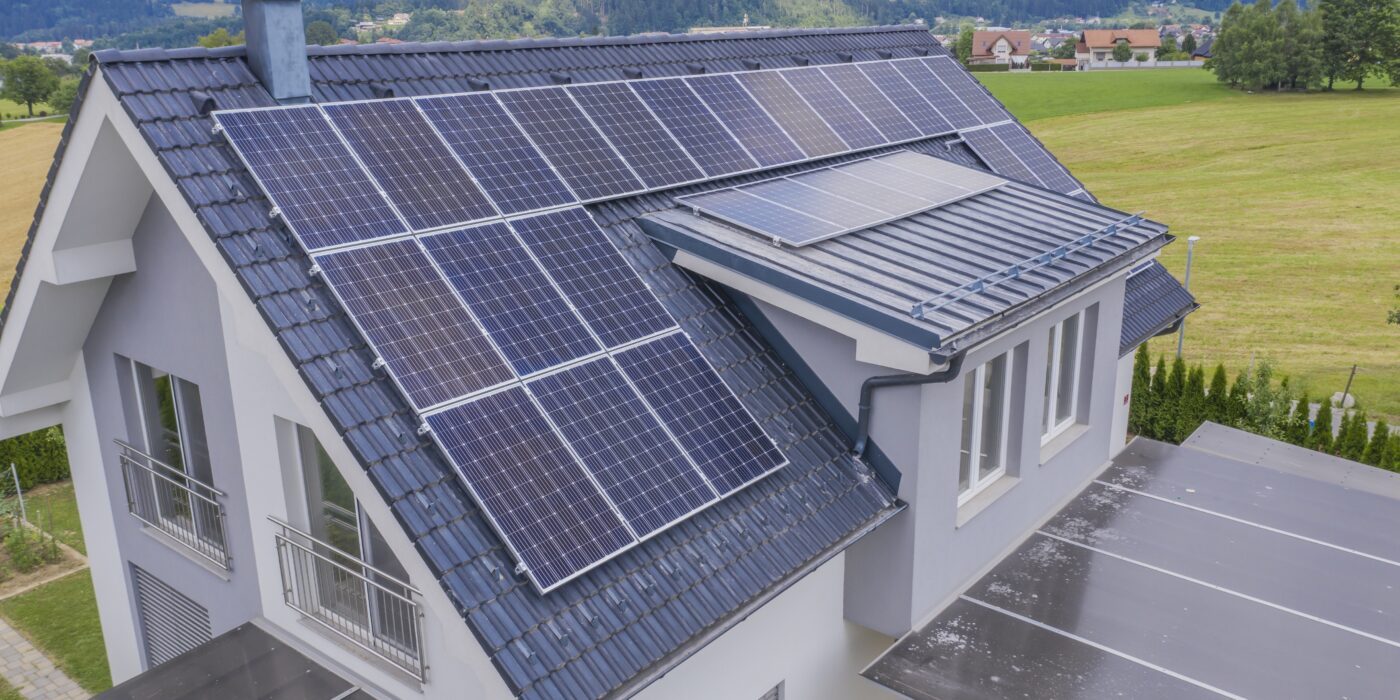
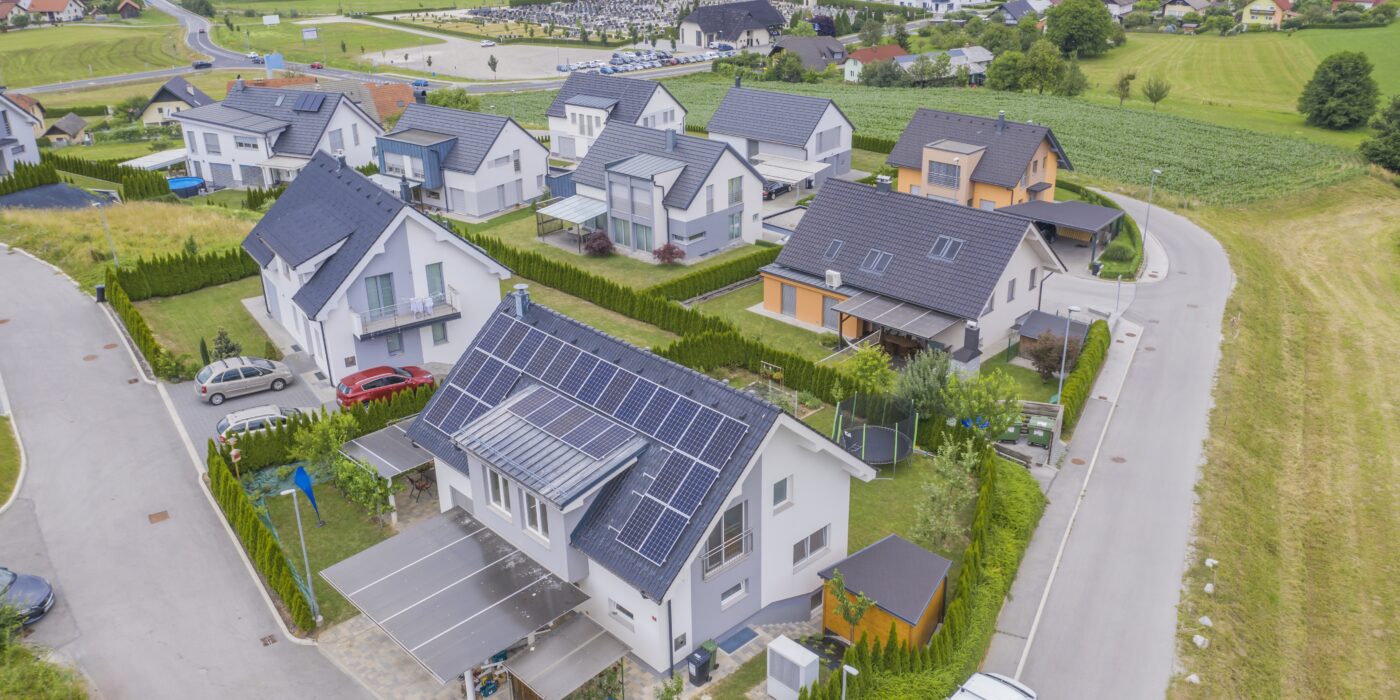
New homes are now being designed with energy efficiency in mind, making solar systems a natural fit. Builders like GSS Builders understand how sustainable design can enhance property value and long-term livability. Plus, integrating solar during construction is far easier than retrofitting an older home later.

If you’re curious about how expert builders blend modern architecture with renewable energy, check out What We Do. You’ll see how solar-ready designs can turn a regular home into a future-proof investment.


💡 The Real Benefits: Saving Energy and Money

Let’s be honest, everyone loves saving money. Installing solar panels can reduce or even eliminate your electricity bill, depending on your energy usage and local sunlight. Over time, these savings can offset the initial cost of installation.

On average, homeowners who switch to solar can save tens of thousands of dollars over 20 years. Imagine using that money for home upgrades, vacations, or even a rainy-day fund! Plus, with tax incentives and rebates available in many areas, the return on investment has never looked brighter.

Solar energy also increases property value. Homes with solar installations often sell faster and at higher prices compared to non-solar homes. So, not only do you save monthly, but you could also earn more when it’s time to sell.

If you’d like to see how beautifully energy-efficient homes come to life, browse our Portfolio for some inspiration. You might just find your dream eco-home idea there.


🏡 The Considerations: Upfront Cost and Maintenance

Of course, like any major decision, there are factors to weigh. The initial cost of solar panels can range from $15,000 to $30,000 depending on your location, roof size, and energy needs. While prices continue to drop, it’s still a significant investment for many homeowners.

The good news? Once installed, maintenance is minimal. Solar panels have no moving parts, so they don’t wear out easily. A simple cleaning twice a year and occasional inspections are often enough to keep them performing efficiently.

You’ll also want to consider your home’s sun exposure. If your roof is shaded by trees or neighboring buildings, your solar output might be limited. Luckily, solar consultants can perform an assessment to estimate your potential energy savings before you commit.

And if you’re building a new home, you’re already in the perfect position to design with solar in mind. Builders can optimize your roof’s orientation and slope to maximize sunlight. When done right, this planning pays off for decades.


🌎 The Bigger Picture: A Greener Future

Beyond personal savings, installing solar panels supports a cleaner and more sustainable future. Every kilowatt-hour you generate from solar power reduces your carbon footprint. That means fewer greenhouse gases and a healthier planet for the next generation.

Solar panels also make your home more energy independent. Instead of relying solely on the grid, you’re producing your own clean power. During outages or peak demand, you can even store energy using batteries for continuous supply.

In short, solar isn’t just about saving money, it’s about making a difference. It’s a commitment to a lifestyle that values efficiency, innovation, and environmental responsibility.


⚙️ So, Are Solar Panels for New Homes Worth It?

The short answer: absolutely, if done right.

When you combine today’s lower installation costs, government incentives, and long-term savings, solar panels can offer incredible value. Add to that the boost in home value and sustainability benefits, and you’ve got a win-win situation.

Still, it’s important to work with experienced builders who understand solar integration. A well-planned system can seamlessly blend with your home’s design while maximizing performance. That’s why more homeowners are turning to professional teams like GSS Builders to create homes that are stylish, functional, and energy-smart.

If you’re ready to explore solar-ready home designs or discuss your future build, don’t hesitate to Contact GSS Builders. Their team can walk you through your options and design a home that fits your lifestyle and your budget.


🌞 Final Thoughts

When it comes to Solar Panels for New Homes, the benefits go far beyond just cutting energy bills. It’s an investment in your comfort, your future savings, and the environment.

Whether you’re planning your forever home or simply looking to make a smart, future-focused decision, solar panels deserve serious consideration. After all, the sun isn’t sending a bill anytime soon!

Ready to design a sustainable home that makes the most of modern energy solutions?
👉 Let’s start building your dream home today.

Sustainable Home
CategoriesHome Buying Tips

How to Make Your New Home More Eco-Friendly

Moving into a new home is always exciting. You get a blank canvas where you can set things up exactly how you want. But with all the design choices and upgrades you’re considering, one question is worth asking: How to Make Your New Home More Eco-Friendly?

The good news is, going green doesn’t mean you have to sacrifice comfort or style. In fact, eco-friendly homes often save money in the long run while helping the planet. With just a few smart choices, you can make your home sustainable, energy-efficient, and even healthier to live in.


1. Start with Energy Efficiency

One of the biggest steps you can take toward an eco-friendly home is cutting down on energy waste. A few smart changes can make a big difference in your monthly bills too.

  • Upgrade to LED bulbs – They use up to 80% less energy than traditional bulbs.

  • Seal air leaks – A little insulation around windows and doors prevents wasted heating and cooling.

  • Use smart thermostats – They adjust temperatures automatically to save energy when you’re not home.

If you’re still planning your home build, it’s worth looking into what we do at GSS Builders. Sustainable building practices can ensure that energy efficiency is built into your home from the ground up.


2. Choose Sustainable Materials

The materials you use to furnish and decorate your home have a huge environmental impact. Luckily, more companies are offering eco-friendly options that look great and last long.

  • Bamboo flooring is a renewable, stylish option that grows back quickly.

  • Recycled metal or reclaimed wood adds character while reducing waste.

  • Low-VOC paints keep indoor air healthier and reduce toxic fumes.

For certified green building approaches, explore the U.S. Green Building Council. When thinking about renovations or new builds, check out GSS Builders’ portfolio of sustainable projects. It shows how eco-friendly design can still look modern, comfortable, and functional.


3. Save Water Like a Pro

Water conservation is just as important as energy efficiency when making your home eco-friendly. Modern technology makes this super easy.

  • Install low-flow showerheads that reduce water use without affecting pressure.

  • Fix leaks quickly – a small drip can waste gallons every month.

  • Consider rainwater harvesting systems for gardens and outdoor cleaning.

You can also design landscapes using native plants that don’t require much watering. This approach is called “xeriscaping” and it saves time and water while keeping your yard attractive.


4. Go Renewable When You Can

If you’re serious about making your home eco-friendly, renewable energy is a smart investment. Solar panels are more affordable than ever and can dramatically cut your electricity bills. In some places, you can even sell extra energy back to the grid.

If solar isn’t an option, you can still choose green energy programs offered by your local utility company. These programs ensure your energy comes from renewable sources like wind or solar farms. See Solar Energy Industries Association for basics.


5. Make Everyday Living Greener

Eco-friendly living doesn’t stop once your home is built. Daily habits matter too, and little changes add up quickly.

  • Compost food scraps instead of tossing them in the trash.

  • Recycle properly to reduce waste in landfills.

  • Choose appliances with high Energy Star ratings.

  • Hang-dry clothes when possible to cut down dryer use.

Living sustainably is more than just saving money; it’s about creating a healthier space for you and future generations.


Why It Matters

Figuring out how to make your new home more eco-friendly isn’t just a trend, it’s a necessity. Our choices today shape the world we’ll live in tomorrow. Eco-friendly homes reduce carbon footprints, save valuable resources, and create healthier environments for families.

When you partner with builders who care about sustainability, like GSS Builders, you’re not only investing in your home but also in the future. Sustainable building is becoming the gold standard, and the earlier you start, the bigger the impact.


Ready to Make Your Home Eco-Friendly?

Whether you’re building from scratch, renovating, or just moving in, the right guidance can make the process smoother. Working with experts in sustainable building ensures you get the most efficient, stylish, and eco-friendly results possible.

👉 Talk to GSS Builders today and discover how we can help you bring your green dream home to life.

For more inspiration, you can also explore what we do and our portfolio of past projects. Sustainability isn’t just a buzzword; it’s the foundation of smarter living.

Energy-Efficient Home
CategoriesHome Buying Tips

Energy-Efficient Home Features That Save Money

Energy-Efficient Home Features That Save Money

When people think of dream homes, they imagine big windows, cozy living rooms, or maybe that perfect kitchen island. But in today’s world, the real dream home is one that doesn’t send your electricity bill skyrocketing every month. That’s why we’re diving into energy-efficient home features that save money—because let’s be honest, who doesn’t love comfort and savings rolled into one?

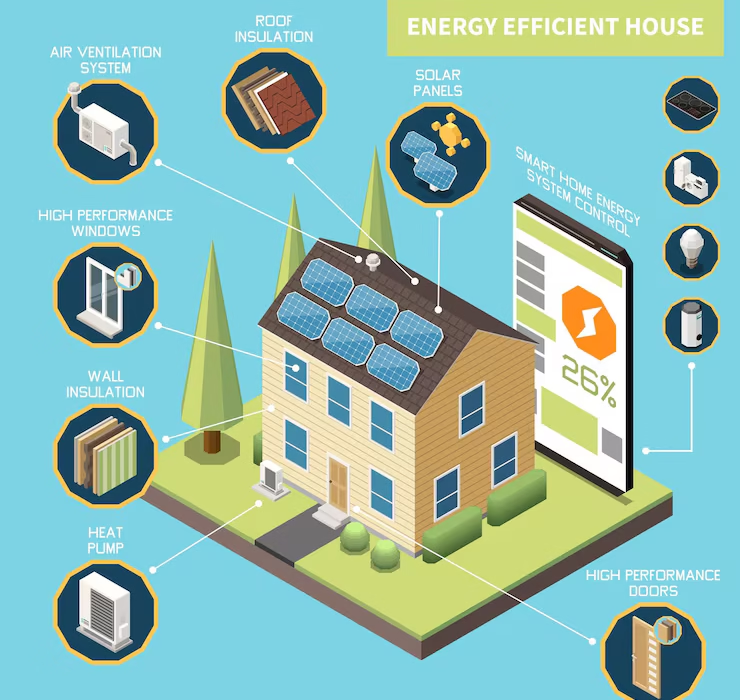
Whether you’re building a new property or renovating your current home, smart energy upgrades can make your space more sustainable and budget-friendly. Let’s explore how some small tweaks and bigger investments can change the way you live—and the way you pay your bills.


Smart Appliances That Do the Heavy Lifting

Gone are the days when appliances guzzled electricity like an old car burning gas. Today’s market is full of smart appliances designed with efficiency in mind. Refrigerators, washing machines, and even dishwashers now carry the Energy Star label, ensuring they meet strict efficiency standards.

The great thing about these appliances is they don’t just save energy—they also make life easier. Imagine a fridge that reminds you when you’re out of milk or a washing machine that uses just enough water for each load. Not only do these gadgets lower monthly utility costs, but they also reduce waste.

If you’re building or remodeling, consider checking out what we do at GSS Builders. They help homeowners incorporate modern, cost-saving features that blend practicality with style.


Insulation and Windows: The Unsung Heroes

You could buy all the fancy smart devices in the world, but if your home leaks heat like a sieve, it won’t matter much. That’s where proper insulation and energy-efficient windows come in. Think of insulation as your home’s winter jacket—it keeps the heat inside when it’s cold and outside when it’s blazing hot.

Double or triple-pane windows also play a massive role. They reduce drafts, block UV rays, and even cut down on outside noise. This one-time investment can slash heating and cooling bills for years, while also giving your home a cozier, quieter vibe.

Curious about how a builder integrates these features? Check out some of the portfolio projects where energy efficiency meets beautiful design. They’re proof that saving money and looking stylish are not mutually exclusive.


Lighting That Works Smarter, Not Harder

Lighting is often overlooked, but it’s one of the easiest ways to create an energy-efficient home that saves money. LED lights, for example, use up to 75% less energy than old incandescent bulbs and last much longer. That means fewer trips to the store and a lower electricity bill.

Want to step it up? Smart lighting systems allow you to control brightness and even color from your phone. Set schedules, dim automatically at night, or program lights to switch off when nobody’s in the room. These features not only save money but also add a modern, stylish feel to your home.

To learn more about building homes that shine with efficiency, take a quick look at the homepage of GSS Builders, where comfort meets smart design.


Renewable Energy: The Future on Your Roof

Solar panels might feel like the poster child for energy efficiency, and for good reason. By harnessing free sunshine, they can drastically reduce your electricity bills, and in some cases, you might even sell unused power back to the grid. That’s not just saving money—it’s making money.

Pair solar panels with a home battery system and you’re nearly independent from the grid. It’s a big investment upfront, but over the years, the payoff is impressive both financially and environmentally.

If you’re considering this route, it’s worth discussing options with experienced builders. You can contact GSS Builders for advice tailored to your specific home and location.


Everyday Habits That Maximize Savings

It’s not just the big features that count. Small, consistent habits make a difference too. Turning off lights when leaving a room, using smart thermostats, or even unplugging electronics when not in use can add up. When paired with energy-efficient home features, these daily actions amplify savings.

Think of it like a gym membership—buying it doesn’t make you fit unless you use it regularly. The same goes for your home’s features. Live with efficiency in mind, and the rewards will keep rolling in.


Ready to Build Smarter?

At the end of the day, energy-efficient home features that save money are more than just a trend. They’re an investment in comfort, sustainability, and your wallet. Whether it’s smart appliances, better insulation, or renewable energy, each choice brings you closer to a future-proof home.

If you’re ready to explore these upgrades, why not start today? Click here to get in touch and chat with the experts at GSS Builders. They know how to balance beauty, practicality, and energy savings in every project.

Because saving money on bills while sipping coffee in your cozy, efficient home sounds like a win-win.


Quick Takeaways

  • Smart appliances cut energy waste and simplify daily tasks.

  • Insulation and windows keep your home comfortable year-round.

  • LED and smart lighting save money while creating ambiance.

  • Solar panels can pay you back over time.

  • Small daily habits add up to significant savings.

For more design ideas and inspiration, check out the portfolio of GSS Builders.

Home Building Contract
CategoriesHome Buying Tips

Understanding the Homebuilding Contract

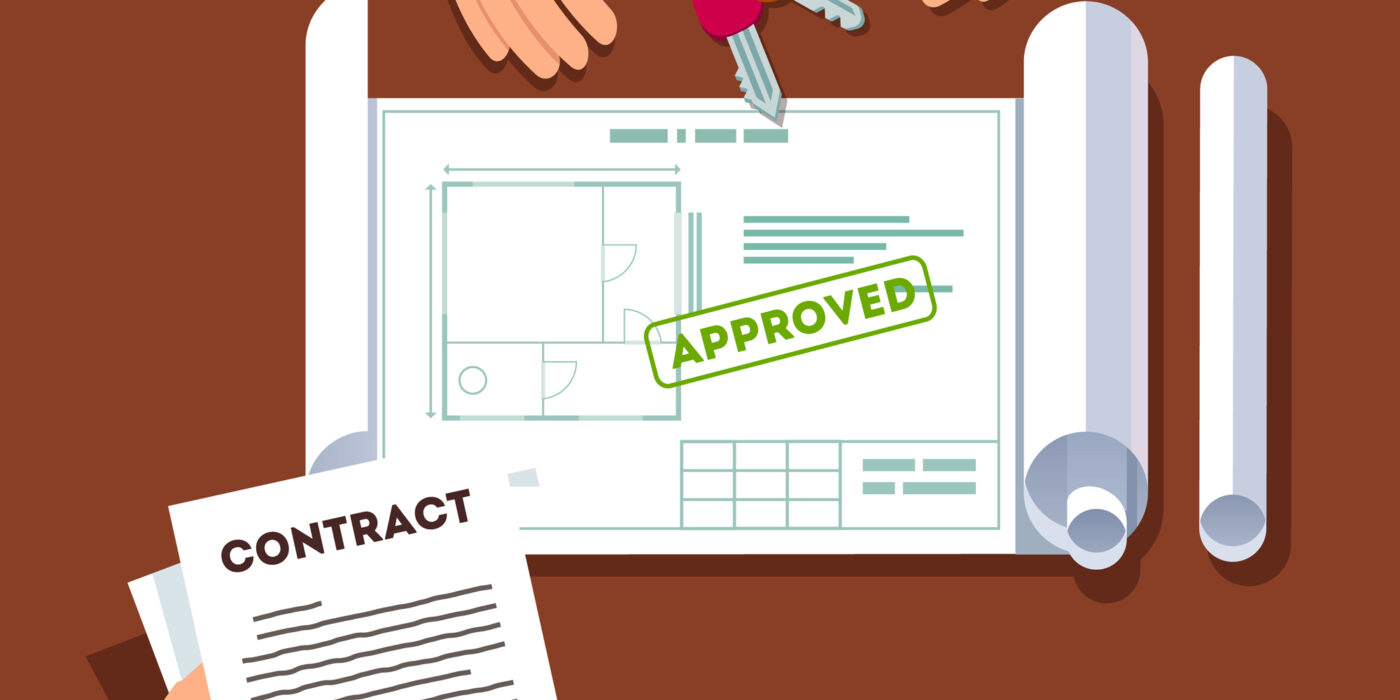
Building a new home is one of the most exciting chapters in life, but it also comes with plenty of paperwork. At the heart of it all is the homebuilding contract, a document that may seem intimidating but is actually your best friend during construction. Understanding the homebuilding contract: what to look for is essential if you want your dream home to be built without unnecessary stress.

Let’s break it down in a light-hearted way so you can confidently spot what matters and avoid any unpleasant surprises later.


Why the Homebuilding Contract Matters More Than You Think

Imagine going on a road trip without a GPS. You may eventually get there, but the journey will likely be chaotic. The homebuilding contract is your GPS—it gives directions, sets boundaries, and makes sure everyone is on the same page.

The contract protects both the homeowner and the builder, clarifying responsibilities, costs, and timelines. If something goes wrong, this is the document everyone turns to for answers.

For a quick peek at what trusted builders can do, check out what we do and see how detailed planning makes all the difference.


Key Clauses to Read Twice (or Maybe Three Times)

The contract isn’t just legal jargon. It’s packed with details that directly affect your experience. Here are some areas worth extra attention:

  1. Scope of Work – This explains exactly what the builder will and won’t do. No assumptions—everything should be written clearly.

  2. Payment Schedule – Understand when payments are due and what progress milestones trigger them. Avoid vague language that could create confusion.

  3. Timeline – Delays happen, but the contract should outline a realistic schedule and how extensions are handled.

  4. Warranties – Know what’s covered, how long coverage lasts, and what maintenance is required to keep warranties valid.

  5. Dispute Resolution – If conflicts arise, how will they be resolved? Mediation, arbitration, or court—this matters more than you think.

By paying attention to these points, you’ll avoid common pitfalls many first-time homeowners face. For more inspiration on how great projects come together, explore our portfolio and see real-life success stories.


Common Mistakes to Avoid When Reviewing Contracts

Even the savviest homeowners can overlook important details when excitement takes over. Here are some mistakes to dodge:

  • Skipping the Fine Print – The small details often hide big responsibilities. Always read line by line, even if it feels tedious.

  • Not Clarifying Changes – Construction rarely goes exactly as planned, so your contract should clearly explain how changes are requested and billed.

  • Ignoring Insurance Clauses – Check who carries insurance during construction. You don’t want surprises if something goes wrong on-site.

  • Assuming Verbal Agreements Count – If it’s not written down, it doesn’t exist. Make sure everything you discussed is in the document.

Remember, a contract is meant to protect you, not confuse you. Approach it with patience and maybe a cup of coffee.


Getting Professional Help is Worth It

If you’re feeling overwhelmed, you’re not alone. Many homeowners bring in a lawyer or a real estate advisor to review their contracts. Think of them as your contract tour guide—they know where the traps are and how to steer you away from them.

Builders who value transparency will also walk you through each section and answer your questions honestly. Companies like GSS Builders make it their mission to ensure clients feel secure before breaking ground.


Why a Clear Contract Builds Trust

At the end of the day, the contract isn’t just a legal formality—it’s a trust-building tool. When everything is spelled out, there’s less room for misunderstandings. That trust means fewer sleepless nights for you and smoother workdays for your builder.

For more insight into what makes a reliable builder, you can explore helpful resources from trusted organizations like National Association of Home Builders which cover industry best practices.


Ready to Build with Confidence?

Understanding the homebuilding contract is not about becoming a lawyer overnight—it’s about protecting your investment and peace of mind. With clear terms, realistic timelines, and detailed warranties, you can focus on the fun part—imagining life in your new home.

If you’re looking for a builder who values clarity as much as craftsmanship, you’re in the right place. Take a look at our homepage to learn more about how we guide homeowners through every step.

👉 Let’s Talk About Your Dream Home


Final Thoughts

Understanding the homebuilding contract: what to look for is one of the smartest moves you can make before construction starts. Think of it as your personal safety net, giving you confidence that your dream home will become a reality without unnecessary headaches.

So read carefully, ask questions, and never settle for confusion in the fine print. Your future self will thank you when you’re sipping coffee in the living room of your brand-new home.

CategoriesHome Buying Tips

Do I Need a Permit to Build a House in McLean, VA?

Do I Need a Permit to Build a House in McLean, VA?

Building a house is an exciting dream, but it also comes with a maze of rules, approvals, and paperwork. If you’re planning to start construction in McLean, Virginia, you might be asking the big question: Do I need a permit to build a house in McLean, VA? The short answer is yes—but there’s more to the story. Let’s walk through it in a simple way.


Why You Need a Permit in McLean

Permits aren’t just there to slow you down. They exist to make sure your new home is safe, structurally sound, and up to code. The county requires permits for new home construction, major renovations, and even some smaller projects.

For example, before you lay the foundation, you’ll need the building permit approved. This permit ensures the design meets local safety codes, environmental rules, and zoning laws. It might feel like extra work, but think of it as protection for your investment.

Without permits, you risk fines, delays, or worse—the county could stop your project completely. So, if you’ve been wondering, Do I need a permit to build a house in McLean, VA?, the answer is always yes if you want peace of mind and legal security.


What Kind of Permits Are Required?

When it comes to building a new home in McLean, you might need more than just one piece of paper. Let’s break it down:

  • Building Permit – For new home construction, additions, or major remodels.

  • Electrical Permit – Needed if you’re installing or updating wiring.

  • Plumbing Permit – Covers everything from water lines to sewer connections.

  • Mechanical Permit – For heating, ventilation, and air conditioning systems.

Sometimes, additional permits are required if your property has unique features like wetlands, steep slopes, or historical significance. Fairfax County’s Department of Land Development Services oversees this process, and their website has plenty of details if you want to dig deeper (Fairfax County LDS).


How to Get a Permit Without Losing Your Mind

Let’s be honest—permits can feel intimidating. Luckily, the process becomes much easier when you have the right partner. Most builders in McLean, like GSS Builders, handle the permit process for their clients. That way, you’re not left juggling forms, fees, and inspections.

Here’s how it usually works:

  1. Submit plans – Your architect or builder provides detailed drawings of your future home.

  2. Review process – County officials check for compliance with zoning laws and safety codes.

  3. Approval and fees – Once approved, you pay the required permit fees.

  4. Inspections – During construction, inspectors check that everything follows the plan.

While it sounds like a lot, remember this: each inspection ensures your dream home is safe, modern, and built to last.


Tips for a Smooth Permit Process

If you want to avoid headaches, keep these tips in mind:

  • Work with experienced builders who understand McLean’s zoning and permitting requirements.

  • Don’t cut corners – skipping permits can cause long-term issues when selling your home.

  • Plan early – start gathering documents and drawings before breaking ground.

  • Check zoning restrictions to avoid surprises about lot size, setbacks, or building height.

If you’re curious about where to start, explore We Build on Your Lot to see how experienced builders handle the entire process smoothly.


Thinking Beyond Permits

Getting a permit is just step one. The bigger picture involves finding the right land, designing your dream home, and making it a reality. That’s why working with a builder who knows McLean inside and out can save you stress.

For instance, if you haven’t purchased land yet, check out We Buy Land. You might discover opportunities you didn’t know were available. And if you want to see successful projects, visit Sold Properties for inspiration.


Final Thoughts

So, do you need a permit to build a house in McLean, VA? Absolutely. Think of it as your green light to create a safe, valuable, and lasting home. The process might feel overwhelming, but with the right guidance, it becomes much smoother.

If you’re ready to take the next step toward building your dream home, don’t wait—contact GSS Builders today. They’ll help you with permits, planning, and everything in between.


✅ Ready to build your dream home in McLean? Click here to get started.

CategoriesHome Buying Tips

FHA Loans vs. Construction Loans: What’s the Difference?

Buying or building a home is one of life’s biggest milestones, but financing it can feel like learning a new language. Between FHA loans and construction loans, many homebuyers scratch their heads, wondering which path makes sense. Don’t worry—you’re not alone. In this article, we’ll break it down clearly, with a light-hearted touch, so you can walk away smarter and ready to take action.


Understanding FHA Loans

Let’s start with the FHA loan, the trusted classic. FHA stands for Federal Housing Administration, and these loans are designed to help buyers who may not have a perfect credit score or a huge down payment saved.

Here’s what makes FHA loans attractive:

  • Low down payment requirements, sometimes as little as 3.5%.

  • Flexible credit standards, so you don’t need flawless credit.

  • Government backing, which makes lenders more comfortable taking risks.

FHA loans are mainly for buying existing homes, whether that’s a charming starter house or something bigger down the line. They’re designed to make homeownership more accessible, especially if saving for a large down payment feels impossible.

If your dream is to pick out curtains for an already-built home, an FHA loan might be your ticket.


What About Construction Loans?

Now let’s talk about construction loans—the adventurous cousin in the family of financing. Unlike FHA loans, construction loans are all about building something new. That could mean creating your dream house from scratch or financing a major renovation.

Some unique features of construction loans include:

  • Short-term financing that usually covers the construction period.

  • Interest-only payments while your home is being built.

  • Two types: construction-to-permanent loans (rolls into a mortgage later) and standalone construction loans.

Here’s the fun part: instead of getting all the money at once, the lender releases funds in stages called “draws.” That way, the builder gets paid as each milestone is completed.

If you want total control over your home’s design, layout, and finishes, a construction loan is your best friend. And if you’re curious about building on your own property, check out what we do for expert guidance.


FHA Loans vs. Construction Loans: What’s the Difference?

Okay, so how do FHA loans and construction loans really stack up against each other? Let’s simplify things with a quick comparison.

  • Purpose: FHA loans focus on buying existing homes, while construction loans are for building or major renovations.

  • Down Payment: FHA loans can be as low as 3.5%, while construction loans usually require at least 10-20%.

  • Approval Process: FHA loans are more accessible with flexible requirements, while construction loans demand detailed building plans and higher credit scores.

  • Timing: FHA loans close like a typical mortgage, but construction loans release funds in stages over the build period.

In short: FHA loans are perfect for homebuyers who want convenience, while construction loans cater to dreamers ready to build from scratch.

Still not sure which route is right for you? You don’t need to figure it all out alone. At GSS Builders, we guide people every day through buying, building, and financing homes.


Which One Fits Your Lifestyle?

Let’s get real for a moment—choosing between an FHA loan and a construction loan is less about money and more about lifestyle.

  • FHA loans are great if you want to move in quickly and focus on making a house your home.

  • Construction loans are ideal if you have a vision and the patience to watch your dream come to life.

Think about what matters most to you: time, convenience, customization, or flexibility. Once you know your priorities, the decision feels much easier.

And hey, if you’re leaning toward building, you might also be curious about opportunities where we buy land or even check out our sold properties for inspiration.


Taking the Next Step

Whether you’re building a dream home or buying a cozy space, understanding the difference between FHA loans and construction loans is crucial. One option gives you speed and simplicity, while the other gives you creativity and customization.

At the end of the day, your decision shapes not just where you live, but how you live. And if you’re ready to explore your options with experts who understand both pathways, let’s chat.

👉 Contact us today to discuss your plans and discover the financing option that truly matches your goals.


By making smart choices now, you’ll save time, stress, and maybe even a few headaches later. So, whether you’re signing paperwork for an FHA loan or sketching out blueprints for a construction loan, you’re on your way to building something incredible.

CategoriesHome Buying Tips

How to Finance Your New Construction Home: A Friendly Guide for First-Timers

Building your dream home is exciting with fresh walls, custom layouts, and that “new home” smell no air freshener can match. But before the walls rise, you need to figure out something less glamorous yet very important: how to finance your new construction home. Don’t worry, it’s not as intimidating as it sounds. With the right steps and guidance, you’ll be ready to break ground without breaking your budget.


Understanding Your Options for Financing

When it comes to financing, the first thing to know is that building a home is different from buying one that’s already built. Lenders see construction as a bigger risk because they’re essentially funding a project that isn’t finished yet. That’s why your financing options are slightly unique compared to a traditional mortgage.

Here are the most common ways to finance your new construction home:

  • Construction-to-Permanent Loan – This loan funds the building process and then automatically converts into a mortgage once the home is finished.

  • Construction-Only Loan – This loan covers just the construction phase, and you’ll need to apply for a mortgage later.

  • Owner-Builder Loan – If you’re acting as your own contractor, this option might be possible, though it’s harder to qualify for.

Each option has pros and cons, and the right one depends on your financial situation, credit history, and long-term goals.

If you’re curious about the building process itself, check out what we do at GSS Builders. It’s a great way to understand how the financing ties directly into construction timelines.


Steps to Secure Financing for Your Dream Home

Now that you know the loan types, let’s walk through the steps to actually secure financing.

1. Get Pre-Qualified Early

Before falling in love with Pinterest boards full of kitchen designs, meet with a lender. Pre-qualification gives you a clear budget and helps you understand how much you can realistically borrow.

2. Work with an Experienced Builder

A lender feels more comfortable financing a project handled by professionals. Partnering with a reliable builder like GSS Builders can boost your credibility when applying for a loan.

3. Plan Your Down Payment

Financing new construction often requires a bigger down payment compared to buying a resale home. Lenders like to see 20% down to minimize their risk.

4. Keep Your Credit in Shape

Your credit score affects not only approval but also your interest rate. Avoid making big purchases like cars or boats during the approval process.

5. Prepare for Inspections and Draws

During construction, lenders release money in stages, called “draws.” Inspectors check the progress before funds are released, so prepare for regular check-ins.

These steps might sound overwhelming, but breaking them down into a checklist can make the process much smoother. Think of it as your construction loan survival kit!


Why Choosing the Right Builder Matters for Financing

Here’s something many people overlook: the builder you choose can directly impact your financing. Lenders want reassurance that the project will actually be completed on time and within budget. Working with a trusted name in the industry makes that conversation with your bank a whole lot easier.

If you’re wondering what sets a reputable builder apart, look at their track record. For example, our sold properties showcase speaks volumes about successful projects that lenders feel confident supporting.

And if you already own land or plan to buy, GSS Builders can help with we buy land services, which tie perfectly into construction financing since lenders love seeing a secure piece of property.


Wrapping It Up: Financing Doesn’t Have to Be Stressful

Learning how to finance your new construction home doesn’t have to be a headache. Think of it as laying the financial foundation before the concrete is poured. With the right loan option, a good credit score, and an experienced builder by your side, your dream home can quickly shift from blueprint to reality.

If you want to dive deeper into construction loan options, you can also check out this comprehensive guide from Investopedia. It breaks down technical details in a simple way.

And if you’re ready to start your own home journey, why not chat with us? We’d love to help you plan every step.

👉 Talk to GSS Builders today and let’s build your dream, brick by brick!