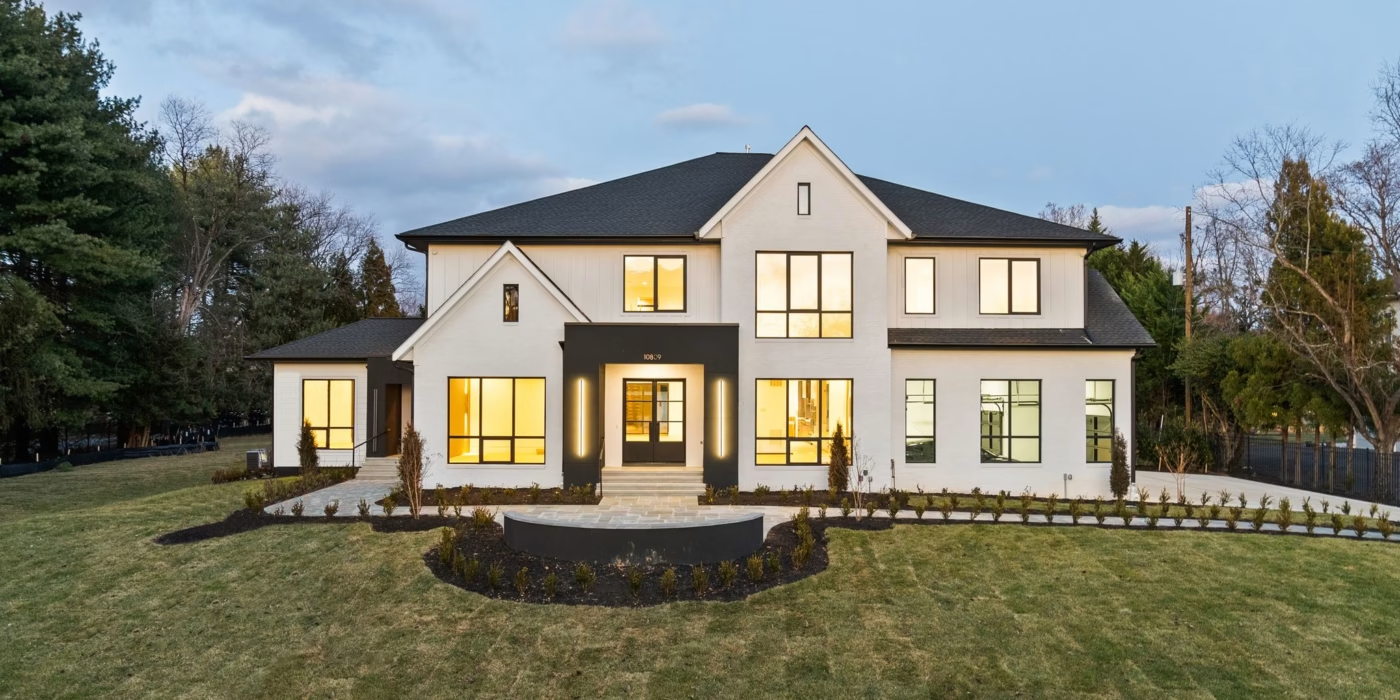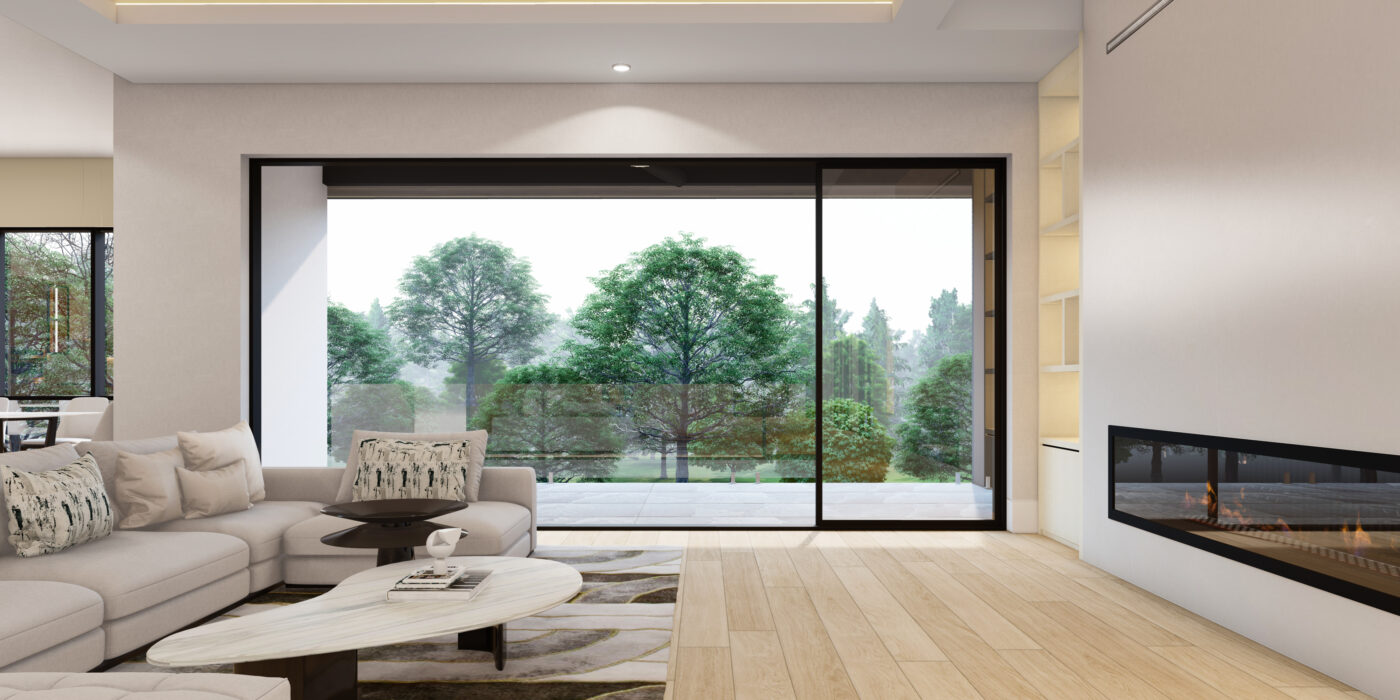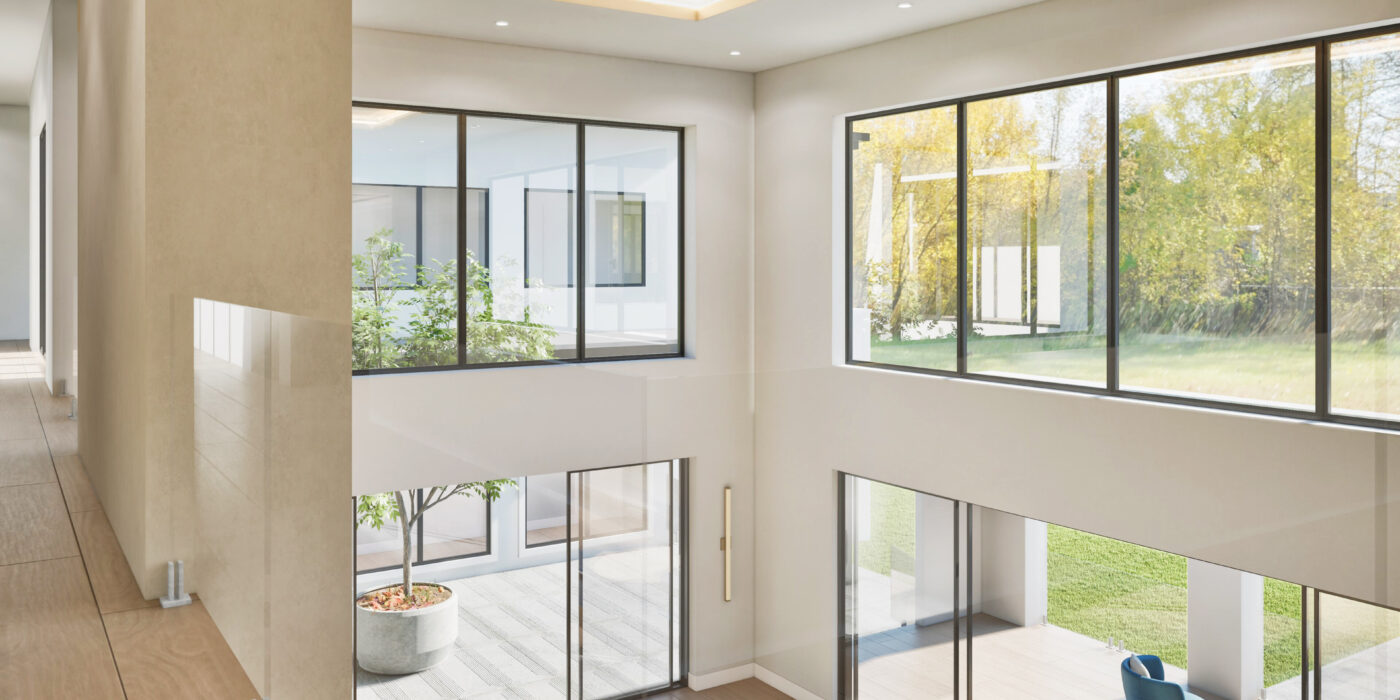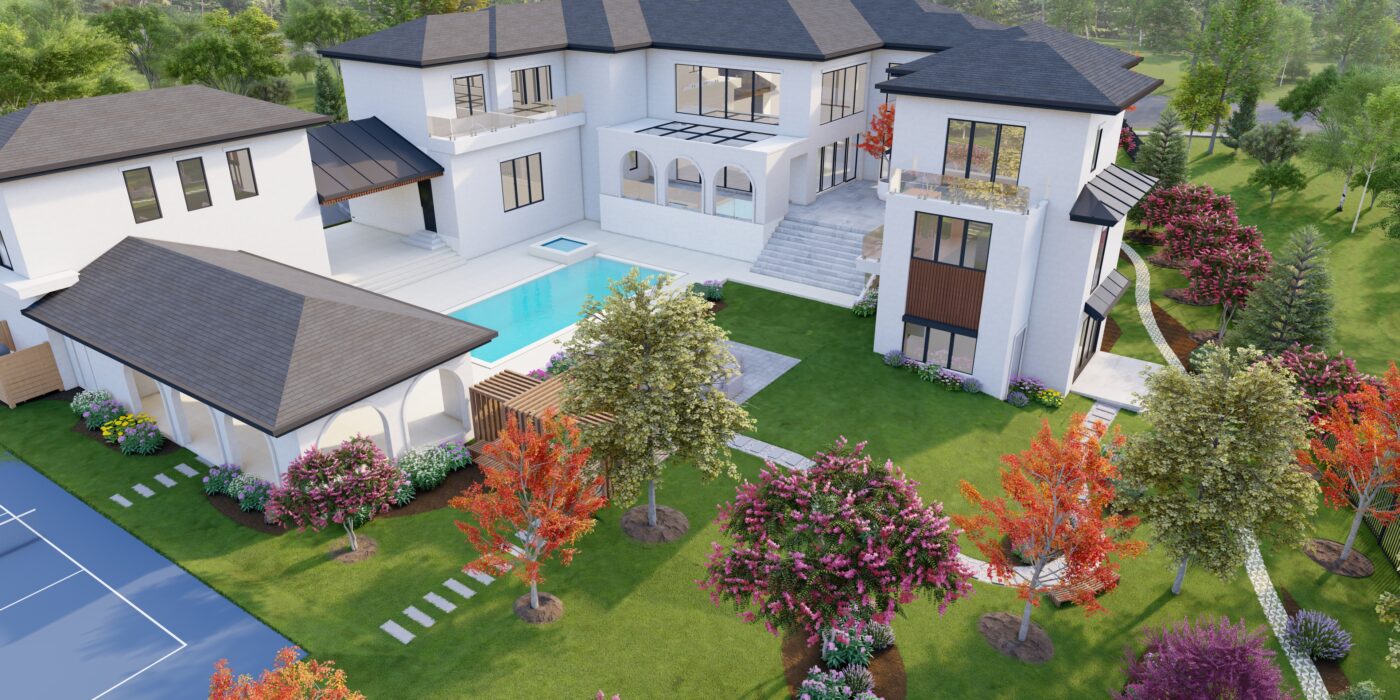
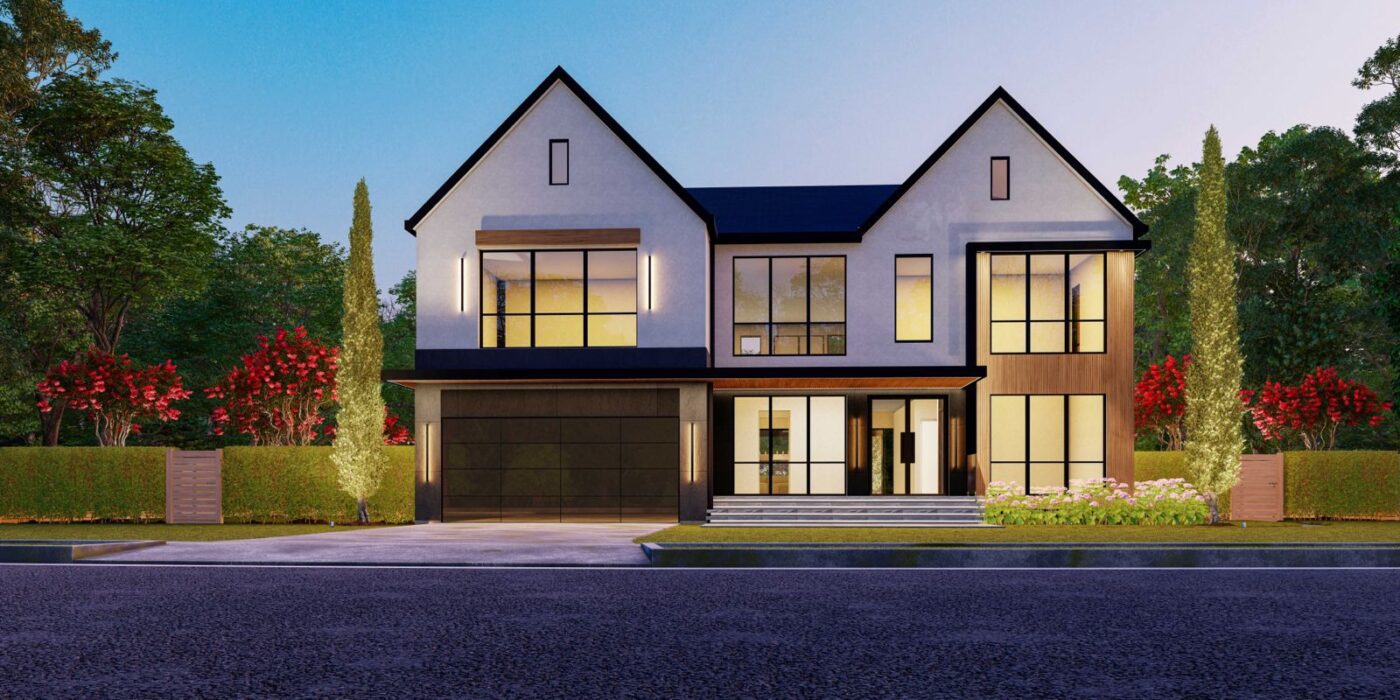
Front elevation at dusk showcasing grand entrance and exterior lighting at 10809 South Glen Road Potomac MD.
CategoriesHome Building

How Long Does It Take to Build a Custom Home in Virginia?

Building a custom home in Virginia is an exciting opportunity to create a residence tailored to your lifestyle, design preferences, and long-term goals. However, one of the first questions homeowners ask is: How long does it take to build a custom home in Virginia?

Quick Answer: Most custom homes in Virginia, particularly luxury homes in Northern Virginia, take approximately 18 to 24 months or longer from initial planning to move-in. The timeline depends on several factors, including lot acquisition, architectural design, permitting requirements, home size, customization level, and construction complexity.

In communities such as McLean, Great Falls, and Vienna, many homeowners are building high-end custom residences that involve extensive planning, detailed craftsmanship, and rigorous local approval processes. As a custom luxury builder serving Northern Virginia, GSS Builders helps clients navigate every phase of the process with transparency and realistic scheduling expectations.

This guide explains the typical custom home construction timeline in Virginia, the factors that can cause delays, and what homeowners can do to keep their projects moving efficiently.


What Is the Typical Timeline to Build a Custom Home in Virginia?

The answer to how long does it take to build a custom home in Virginia varies based on the type of home being built and where it is located. For luxury custom homes in Northern Virginia, homeowners should generally plan for a total timeline of 18 to 24 months or more.

Unlike production homes built from pre-designed floor plans, custom homes involve numerous decisions that take time. Every phase, from designing the architecture and securing permits to selecting finishes and completing construction, is highly personalized.

Several factors influence the overall schedule:

  • Whether you already own a buildable lot
  • The complexity and size of the home
  • Fairfax County and municipal permitting requirements
  • Architectural review processes and HOA approvals
  • Availability of materials and specialized trades
  • Weather and seasonal construction conditions

A modest custom home may finish closer to the 18-month mark, while a larger luxury residence with extensive customization could extend beyond two years.

Understanding the full timeline from the beginning allows homeowners to make informed decisions and set realistic expectations.


Step-by-Step Custom Home Building Timeline (Virginia Breakdown)

Below is a general custom home construction timeline in Virginia.

Phase Estimated Duration
Land Acquisition 1–3 Months
Design & Architectural Planning 2–4 Months
Permitting (Fairfax County) 2–6+ Months
Construction 12–18 Months
Final Inspections & Move-In Approximately 1 Month

1. Land Acquisition (1–3 Months)

If you do not already own a lot, finding the right property can take several months. Buyers often evaluate zoning restrictions, utility access, school districts, and teardown opportunities before purchasing land.

In communities such as McLean and Great Falls, desirable lots are limited and often require careful due diligence.

2. Design and Architectural Planning (2–4 Months)

This phase includes:

  • Developing floor plans
  • Finalizing elevations
  • Engineering and structural planning
  • Interior layout decisions
  • Preliminary selections and specifications

Luxury homeowners frequently spend additional time refining design details to ensure the home aligns with their lifestyle and aesthetic preferences.

3. Permitting and Approvals (2–6+ Months)

The Northern Virginia permitting timeline can be one of the most unpredictable parts of the process.

Depending on project scope, approvals may include:

  • Building permits
  • Site plans
  • Environmental reviews
  • Demolition permits
  • HOA approvals
  • Utility coordination

Projects in Fairfax County often require additional review steps that can significantly impact the schedule. Homeowners can review current permit requirements and application processes through the Fairfax County Building Permits.

4. Construction (12–18 Months)

Construction typically includes:

  • Site preparation and foundation work
  • Framing and exterior construction
  • Mechanical systems installation
  • Insulation and drywall
  • Interior finishes
  • Cabinetry and millwork
  • Flooring and painting
  • Landscaping and exterior improvements

Luxury homes generally involve highly customized features that require additional coordination and craftsmanship.

5. Final Inspections and Move-In (Approximately 1 Month)

Before occupancy, the home undergoes inspections and final quality reviews. Punch-list items are completed, systems are tested, and documentation is finalized.

This final phase ensures the home is fully prepared for move-in.


What Delays a Custom Home Build in Northern Virginia?

Many homeowners researching the custom home timeline Northern Virginia are surprised to learn that permitting and coordination often affect schedules more than construction itself.

Several factors can extend the timeline.

Fairfax County Permitting Backlogs

Permitting timelines fluctuate based on review volumes and project complexity. Additional comments or revisions can add weeks or months to the schedule.

Weather and Seasonal Construction Delays

Virginia experiences periods of heavy rain, snow, and freezing temperatures that can temporarily slow excavation, foundation work, and exterior construction activities.

Design Changes During Construction

One of the most significant causes of delays is modifying plans after construction has started.

Changes to layouts, structural elements, or finish selections often create cascading impacts on schedules and subcontractor coordination.

Material Shortages and Long Lead Times

Specialty products frequently require extended manufacturing and shipping periods, including:

  • Imported stone
  • Custom windows and doors
  • Luxury appliances
  • Specialty lighting fixtures
  • Custom millwork

According to the National Association of Home Builders (NAHB), labor availability and supply chain issues continue to affect residential construction timelines nationwide

HOA Approvals and Zoning Issues

Certain communities require architectural review and approval before construction can proceed.

Zoning requirements, easements, and site restrictions can also affect timelines and require additional planning.


How Long Does It Take to Build a Luxury Home in McLean, VA?

A luxury home build timeline in McLean, VA is generally longer than the average custom home in Virginia.

Most high-end custom residences exceeding 5,000 square feet require approximately 18 to 24 months or longer from planning through completion.

Luxury homes often involve:

  • Extensive architectural detailing
  • Premium finishes and materials
  • Smart home integration
  • Custom cabinetry and millwork
  • Complex mechanical systems
  • Outdoor living spaces and pools

These homes require substantial coordination among architects, engineers, interior designers, and specialized trades.

The greater the level of customization, the longer the timeline typically becomes.

Fortunately, a well-managed process can minimize unnecessary delays and keep projects progressing efficiently.


Can You Speed Up the Custom Home Building Process?

While building a custom home requires patience, there are ways to improve efficiency.

Pre-Select Materials and Finishes

Making decisions early reduces delays caused by product changes or lengthy procurement periods.

Work with a Design-Build Firm

Integrated design-build teams often improve communication and reduce handoff delays between designers and construction professionals.

Secure Permits Early

Submitting complete documentation and anticipating review requirements can streamline approvals.

Avoid Mid-Project Changes

Changes after construction begins frequently affect budgets and schedules simultaneously.

Although no builder can eliminate every variable, proactive planning significantly improves project predictability.


What to Expect When Building with a Custom Home Builder

Building a custom home is a collaborative process that involves far more than construction alone.

Homeowners should expect several key phases throughout the experience:

Collaborative Planning

Builders work closely with homeowners to understand priorities, budgets, and lifestyle requirements.

Transparent Scheduling

An experienced builder establishes realistic expectations and communicates timelines throughout each phase.

Comprehensive Project Management

From permitting and site preparation to final inspections, effective project management coordinates the numerous moving pieces involved in a luxury home build.

The process is highly detailed and requires continuous communication and planning. The right team helps homeowners navigate complexity while maintaining visibility into progress and timelines.

You can view our completed custom home projects in McLean and Northern Virginia at.

Homeowners can also explore our custom home building services.


Build vs. Buy — Which Is Faster in McLean?

Buying an existing home is generally faster.

A buyer can often purchase and move into a home within several weeks or months, depending on market conditions.

Building, however, typically requires 18 to 24+ months.

So why do many affluent homeowners still choose to build?

Because building offers advantages that existing homes often cannot provide:

  • Personalized layouts
  • Energy-efficient systems
  • Modern design aesthetics
  • Customized finishes
  • Technology integration
  • Long-term functionality

For homeowners seeking a residence tailored precisely to their lifestyle, the additional time investment may be worthwhile.

For budgeting insights, homeowners can also learn how much does it cost to build a luxury home in McLean Virginia.


Frequently Asked Questions

How long does it take to build a custom home in Virginia from start to finish?

Most custom homes in Virginia require approximately 18 to 24 months or longer. The timeline depends on land acquisition, design complexity, permitting requirements, and construction scope.

What delays a custom home build in Northern Virginia?

The most common causes of delays include permitting backlogs, weather conditions, design changes, material lead times, and HOA or zoning approvals.

How long does permitting take in Fairfax County?

Permitting timelines vary considerably depending on project complexity and review requirements. Many homeowners should anticipate permitting periods ranging from two to six months or longer.

Can you speed up a custom home build timeline?

Yes. Early planning, prompt decision-making, pre-selecting materials, and minimizing design changes can improve efficiency and reduce avoidable delays.

Is building a custom home faster than buying in McLean?

No. Buying is usually faster. For many families relocating to McLean, school district considerations also influence whether buying or building is the better long-term decision. Fairfax County Public Schools information can be found at https://www.fcps.edu/. However, building offers significantly greater customization and allows homeowners to create a residence specifically designed around their lifestyle and preferences.


Planning Your Custom Home Timeline in Virginia

Understanding how long it takes to build a custom home in Virginia is essential for making informed decisions and setting realistic expectations. While most luxury custom homes require approximately 18 to 24 months or longer, careful planning and experienced project management can help create a smoother, more predictable experience.

For homeowners in McLean, Great Falls, and Vienna, the process involves far more than simply constructing a house. It is a detailed, multi-phase endeavor that requires thoughtful planning, transparency, and expertise.

If you are considering a custom home or teardown-rebuild project, you can schedule a free consultation with our team at to discuss your goals and timeline.

Front elevation of luxury home in McLean VA featuring contemporary architecture and manicured lawn.
CategoriesHome Building

How Much Does It Cost to Build a Luxury Home in McLean, Virginia? (2026 Guide)

McLean, Virginia has long been one of the most prestigious residential markets in the Washington, D.C. region. Known for its proximity to the nation’s capital, exceptional schools, and some of the most desirable luxury neighborhoods in Northern Virginia, McLean continues to attract executives, entrepreneurs, diplomats, and senior government officials seeking custom-built homes tailored to their lifestyles.

Quick Answer: If you’re wondering how much does it cost to build a luxury home in McLean Virginia, most luxury custom homes in 2025 range from $350 to $700+ per square foot, depending on design complexity, finishes, and site conditions. For a typical 5,000-square-foot luxury residence, construction costs generally range from $1.75 million to $3.5 million+, excluding land acquisition.

As a local market expert, GSS Builders regularly works with homeowners evaluating custom builds, teardown-rebuild projects, and modern luxury residences throughout McLean and Northern Virginia. Understanding the full cost picture requires looking beyond square footage alone.

This guide covers current luxury home construction costs, key pricing factors, timeline expectations, and what homeowners should know before beginning a custom build in McLean.


What Makes McLean, Virginia a Premier Location for Luxury Custom Homes

McLean consistently ranks among the wealthiest communities in the United States and remains one of the most sought-after luxury housing markets in Northern Virginia. Its combination of privacy, accessibility, and long-term property value makes it particularly attractive for custom home construction.

The community offers convenient access to Washington, D.C., Tysons, Arlington, and major employment centers throughout the region. Prestigious neighborhoods along Georgetown Pike, the Potomac River corridor, and the Chain Bridge area feature expansive lots ideally suited for luxury custom residences.

Families are also drawn to McLean because of its highly regarded public schools. According to the Fairfax County Public Schools system, schools such as Langley High School and McLean High School consistently rank among the region’s top-performing schools. See the Fairfax County Public Schools overview: https://www.fcps.edu/

Today’s custom home buyers in McLean commonly include:

  • Technology executives
  • Private equity and finance professionals
  • Federal agency leaders
  • Diplomats and foreign service officials
  • Business owners and entrepreneurs
  • Military officers and defense contractors

Many of these buyers are choosing custom construction over existing homes because they want modern floor plans, advanced technology integration, energy efficiency, and architectural designs that reflect contemporary lifestyles.

For homeowners considering a teardown-rebuild project, McLean offers numerous opportunities to replace aging homes with high-end custom residences that better align with current market expectations.


Average Cost to Build a Luxury Home in McLean, VA

When evaluating how much does it cost to build a luxury home in McLean Virginia, construction quality and finish level significantly influence the final budget.

While every project is unique, the following ranges reflect typical market conditions for luxury home building cost Virginia 2025 estimates.

Construction Grade Cost Per Square Foot Estimated Cost (5,000 SF Home)
Standard Custom $200–$300 $1.0M–$1.5M
Premium / High-End Custom $350–$500+ $1.75M–$2.5M+
Ultra-Luxury Custom $500–$700+ $2.5M–$3.5M+

These figures represent construction costs only and do not include land acquisition.

Land values in McLean remain a major component of overall project costs. Buildable lots frequently range from approximately $900,000 to more than $2 million, depending on location, size, privacy, and proximity to premier neighborhoods.

Homeowners should also budget for:

  • Demolition costs (for teardown projects)
  • Architectural and engineering fees
  • Site development and utility work
  • Landscaping and hardscaping
  • Fairfax County permit fees
  • Specialty features and custom upgrades

According to Fairfax County’s Building Permits and Inspections department, permitting requirements can vary depending on project scope and site conditions. Additional information is available through Fairfax County’s permitting office: https://www.fairfaxcounty.gov/landdevelopment/building-permits

The frequently asked question of how much does it cost to build a luxury home in McLean Virginia cannot be answered by square footage alone. Site conditions, architecture, and finish selections often have a greater impact on the final budget than home size itself.

Industry benchmarks published by the National Association of Home Builders also demonstrate the significant influence labor, materials, and specialty finishes have on luxury construction pricing. Learn more at https://www.nahb.org/


Key Factors That Affect Luxury Home Building Costs in McLean

Several factors influence the final cost of high-end home construction McLean projects.

Lot Size, Topography, and Site Preparation

Not all lots are created equal.

Steep slopes, mature tree preservation requirements, rock excavation, drainage improvements, and utility extensions can add substantial costs before vertical construction even begins.

Teardown-rebuild projects may also require demolition and environmental remediation work.

Architectural Complexity and Design Style

Modern and contemporary homes often require specialized engineering, larger glass systems, steel structural components, and custom detailing.

While traditional homes can be equally expensive, contemporary architecture frequently demands greater precision during construction.

Interior Finishes and Technology

Luxury homeowners increasingly prioritize premium materials and smart home integration.

Examples include:

  • Imported stone countertops
  • Wide-plank hardwood flooring
  • Custom cabinetry
  • Whole-home automation
  • Security systems
  • Advanced lighting controls
  • Integrated audio and entertainment systems

These selections can dramatically affect the overall cost per square foot luxury home McLean projects command.

Energy-Efficient and Sustainable Features

Many homeowners now invest in:

  • High-performance insulation
  • Triple-pane windows
  • Solar energy systems
  • Geothermal HVAC systems
  • Energy recovery ventilation
  • Sustainable building materials

Although these upgrades increase initial costs, they often improve long-term operating efficiency and comfort.

Luxury Lifestyle Features

Custom luxury homes frequently include specialty spaces such as:

  • Home theaters
  • Wine cellars
  • Fitness studios
  • Golf simulators
  • Resort-style pools
  • Elevators
  • Multi-car garages
  • Outdoor entertainment areas

Each addition contributes to the overall construction budget and project complexity.


What’s Included in a Luxury Custom Home Build by GSS Builders

When working with a leading custom luxury home builder McLean VA, homeowners should expect a comprehensive process that extends well beyond construction alone.

The most successful projects begin with a collaborative design phase involving architects, engineers, interior designers, and construction professionals. Early planning helps align design goals with budget expectations before construction begins.

Top-tier builders specializing in modern and contemporary homes typically focus on:

  • Custom architectural design coordination
  • Detailed budgeting and pre-construction planning
  • Permit management and regulatory compliance
  • Sustainable building practices
  • Material selection guidance
  • Quality control throughout construction
  • Ongoing communication and project oversight

For homeowners researching potential builders, it can be helpful to explore our custom home building services and understand how different firms approach design, budgeting, and project management.

Many buyers also prioritize environmentally responsible construction methods and energy-efficient design. Homeowners interested in these strategies can learn more about our sustainable building practices.


Custom Home Building Timeline in Northern Virginia

One of the most common questions homeowners ask is about the custom home timeline Northern Virginia projects typically follow.

Luxury custom homes require patience because of the complexity involved in design, approvals, and construction.

A typical timeline includes:

1. Pre-Construction and Design (3–6 Months)

This phase typically includes:

  • Architectural planning
  • Engineering
  • Interior design development
  • Budget review
  • Permit preparation

Projects with extensive customization may require additional time.

2. Permitting and Approvals (Variable)

Fairfax County review timelines can vary depending on project complexity and workload.

Permit approvals should always be factored into overall scheduling expectations.

3. Construction Phase (12–18 Months)

Most luxury homes require:

  • Site preparation
  • Foundation construction
  • Framing
  • Mechanical systems installation
  • Interior finishes
  • Exterior improvements

Highly customized residences often fall toward the longer end of the range.

4. Final Completion and Move-In

From lot purchase to occupancy, many homeowners should expect a total timeline of approximately 18 to 24 months or longer.

Proper planning and builder selection can significantly reduce delays and improve project predictability.


Is It Worth It? Build vs. Buy in McLean’s Luxury Market

For affluent buyers evaluating their options, both paths offer advantages.

Benefits of Building

Custom construction allows homeowners to:

  • Create a personalized floor plan
  • Incorporate modern technology
  • Achieve higher energy efficiency
  • Avoid major renovation expenses
  • Maximize lot potential

Building also offers greater flexibility when creating contemporary homes that may be difficult to find in the existing inventory.

Homeowners considering custom construction may wish to view our completed custom home projects in McLean and Northern Virginia to better understand current design trends and possibilities.

Benefits of Buying

Purchasing an existing luxury home offers:

  • Faster occupancy
  • Reduced decision-making requirements
  • Greater certainty regarding timelines
  • Potentially lower upfront complexity

For buyers who prioritize convenience and speed, purchasing may be the preferred option.

Ultimately, the right choice depends on timeline, budget, design goals, and long-term plans for the property.


Frequently Asked Questions

What is the average cost to build a luxury home in McLean, VA?

Most luxury custom homes in McLean cost between $350 and $700+ per square foot in 2025. A 5,000-square-foot luxury residence typically ranges from approximately $1.75 million to $3.5 million or more in construction costs, excluding land, site work, and specialty features.

How long does it take to build a custom home in Northern Virginia?

Most luxury custom homes require approximately 18 to 24 months from land acquisition to move-in. Design and permitting generally take 3 to 6 months, while construction often requires 12 to 18 months depending on complexity and customization levels.

What factors affect the cost of a luxury home build in McLean?

The biggest cost drivers include lot conditions, architectural complexity, construction materials, interior finishes, smart home technology, energy-efficiency upgrades, and specialty amenities such as pools, elevators, wine cellars, and home theaters.

Is it better to buy or build a luxury home in McLean, Virginia?

Building provides greater design control, energy efficiency, and customization. Buying offers a faster timeline and fewer construction-related decisions. The best option depends on personal priorities, budget, and desired move-in schedule.

Do I need a separate architect if I hire a custom home builder in McLean?

Many luxury builders work closely with architects as part of an integrated design-build process. While some homeowners engage an architect independently, others prefer a builder-led approach that coordinates architecture, engineering, budgeting, and construction under a unified team structure.

How much does land cost in McLean, Virginia?

Buildable lots in McLean commonly range from approximately $900,000 to more than $2 million. Pricing varies based on location, acreage, privacy, topography, school district access, and proximity to premium neighborhoods.


Ready to Build Your Custom Home in McLean?

Understanding how much does it cost to build a luxury home in McLean Virginia requires evaluating far more than square footage alone. Land acquisition, architectural design, site conditions, finish selections, and specialty features all contribute to the final investment.

For many homeowners, McLean continues to represent one of the strongest long-term luxury housing markets in the Washington metropolitan area. Its combination of exceptional schools, proximity to major employment centers, and enduring demand supports both lifestyle and property value considerations.

Whether you’re considering a teardown-rebuild project or planning a new custom residence, careful planning is the key to achieving predictable costs and exceptional results. To discuss your goals, homeowners can schedule a free consultation with our team or review completed projects to better understand current opportunities in the McLean luxury market.

CategoriesHome Building Home Buying Tips

How to Buy a Home in McLean VA

Buying a home can feel overwhelming, especially in a premium market like McLean, Virginia.
But with the right approach, the process becomes exciting and rewarding.

If you’re searching for How to Buy a Home in McLean VA, this guide breaks everything down simply.
You’ll learn practical steps, smart tips, and insider advice to make confident decisions.


Understand the McLean VA Real Estate Market

McLean is known for luxury homes, strong communities, and proximity to Washington, DC.
Prices are higher here, but the value often matches the lifestyle.

Start by studying recent home sales and trends.
You can explore past listings through this helpful resource:
👉 Browse sold properties in McLean VA

Look at property sizes, price ranges, and features.
This helps you understand what your budget can realistically get.

Also, consider market timing.
Spring and summer often bring more listings but also more competition.


Set Your Budget and Get Pre-Approved

Before house hunting, know exactly what you can afford.
This step saves time and avoids disappointment later.

Factor in these costs:

  • Down payment
  • Closing costs
  • Property taxes
  • Home maintenance
  • HOA fees, if applicable

Getting pre-approved for a mortgage is essential.
It shows sellers you are serious and financially ready.

Lenders will review your income, credit score, and debt.
Once approved, you’ll receive a clear price range.


Decide: Buy Existing or Build Your Dream Home

One key decision when learning How to Buy a Home in McLean VA is choosing between resale or new construction.

Buying an Existing Home

This option is faster and often located in established neighborhoods.
You can move in sooner and see exactly what you’re getting.

However, older homes may need renovations or upgrades.

Building a Custom Home

If you want full control, building is a great option.
You can design layouts, choose finishes, and create your ideal space.

Check out this option if you already own land:
👉 Build your custom home on your lot

If you don’t have land yet, you can explore this:
👉 Find and purchase land in McLean VA

Building takes more time but offers unmatched personalization.


Work with the Right Professionals

Having the right team makes everything easier.
A good real estate agent understands the McLean market deeply.

They help you:

  • Find suitable listings
  • Negotiate better deals
  • Handle paperwork smoothly

You may also need a builder if you choose new construction.
Working with experienced professionals ensures quality results.

Learn more about trusted experts here:
👉 Visit our homepage for real estate and building solutions


Start House Hunting with a Strategy

Don’t just browse randomly.
Create a clear list of must-haves and nice-to-haves.

Important factors include:

  • Number of bedrooms and bathrooms
  • Lot size and outdoor space
  • School district
  • Commute time
  • Nearby amenities

Visit homes in person whenever possible.
Photos can look perfect, but reality may differ.

Take notes and compare each property carefully.
This helps you avoid emotional decisions.


Make a Competitive Offer

McLean is a competitive market, so strong offers matter.
Your agent will guide you on pricing and strategy.

A good offer may include:

  • Competitive price
  • Flexible closing timeline
  • Minimal contingencies

However, never skip inspections just to win a deal.
Protecting your investment is always important.


Complete Inspections and Close the Deal

Once your offer is accepted, the real work begins.
Schedule a home inspection to check for issues.

Inspectors review:

  • Roof condition
  • Plumbing and electrical systems
  • Structural integrity

If problems arise, you can negotiate repairs or credits.

After that, finalize your mortgage and prepare for closing.
This includes signing documents and paying closing costs.

Finally, you receive the keys to your new home.


Make Your Move and Enjoy McLean Living

After closing, it’s time to settle in and enjoy your new space.
McLean offers a mix of luxury, comfort, and convenience.

You’ll be close to:

  • Top-rated schools
  • Shopping and dining
  • Parks and green spaces
  • Major business hubs

It’s a great place for families, professionals, and investors alike.


Ready to Take the First Step?

Buying a home doesn’t have to be stressful.
With the right plan, it becomes an exciting journey.

If you’re ready to start, take action today:
👉 Start your home buying journey now


Learning How to Buy a Home in McLean VA is about preparation and smart decisions.
Follow these steps, trust the process, and you’ll find the perfect home.

CategoriesHome Building

5 Mistakes to Avoid When Building Your First Home in 2026

Building your first home is an exciting journey, but it can also feel like a rollercoaster ride of decisions. Whether you’re choosing a floor plan or deciding on eco-friendly features, it’s easy to overlook crucial aspects. Let’s dive into the five biggest mistakes you should avoid when building your dream home in 2026. By steering clear of these pitfalls, you’ll ensure a smoother, stress-free process.

1. Skipping Proper Budget Planning

You’ve probably heard the phrase, “Plan for the unexpected.” When building your first home, this couldn’t be more true. Many first-time homeowners underestimate costs or forget to include expenses like landscaping, permits, or interior finishes.

How to Avoid It:

  • Create a detailed budget with a contingency fund for unforeseen costs.
  • Work with experienced builders who can provide accurate cost estimates. Check out our homepage for trusted guidance.

Having a solid budget keeps surprises pleasant, not stressful.

2. Choosing the Wrong Location

The location of your home can make or break your living experience. Sure, a plot with a breathtaking view might seem perfect, but does it have access to schools, stores, or public transport?

How to Avoid It:

  • Evaluate accessibility, safety, and community amenities before deciding on a plot.
  • Consider building on your lot for better customization options.

Remember, location isn’t just about today; it’s about the long-term value of your home.

3. Ignoring Energy Efficiency Trends

In 2026, energy efficiency isn’t just a buzzword; it’s a necessity. Homes designed with outdated systems or poor insulation can lead to skyrocketing energy bills.

How to Avoid It:

  • Invest in solar panels, smart thermostats, and energy-efficient appliances.
  • Work with builders familiar with sustainable practices. Explore our sold properties for inspiration.

Your wallet and the planet will thank you for prioritizing energy-efficient features.

4. Not Reviewing the Builder’s Credentials

Not all builders are created equal, and choosing the wrong one can lead to delays, shoddy work, or unexpected costs. You wouldn’t hire a chef without tasting their food first, would you?

How to Avoid It:

  • Research online reviews and ask for references.
  • Meet potential builders to discuss your vision and expectations. Need help finding the right builder? Contact us today!

A reputable builder ensures quality and makes your experience enjoyable.

5. Overlooking Resale Value

Even if you plan to stay in your home forever, life has a way of throwing curveballs. Neglecting resale value might mean leaving money on the table.

How to Avoid It:

  • Focus on timeless designs and versatile layouts.
  • Avoid overly niche features that may not appeal to future buyers. Considering selling land? Check out we buy land for seamless transactions.

Building with resale value in mind ensures your investment grows over time.

Ready to Start Your Dream Home?

Building your first home is a monumental milestone. By avoiding these five mistakes, you’ll be well on your way to crafting a space you’ll love for years to come. If you’re ready to take the first step, let’s chat. Contact us to bring your dream home to life!

CategoriesHome Building

How to Choose the Right Location for Your New Home

Building a new home is exciting. You can design everything around your lifestyle and future plans.

However, the location of your home matters just as much as the design itself. Even the most beautiful house can feel wrong in the wrong place.

That is why learning How to Choose the Right Location for Your New Home is one of the most important steps. A good location supports your daily life, protects your investment, and improves long-term value.

In this guide, we will explore simple tips to help you find the perfect location for your future home.


1. Start With Your Daily Lifestyle

Before choosing land, think about how you live every day. Your location should support your routine rather than complicate it.

Ask yourself a few simple questions:

  • How far do you want to commute to work?

  • Do you prefer a quiet neighborhood or a lively city area?

  • Are schools important for your family?

  • Do you want parks, gyms, or restaurants nearby?

For example, families often prioritize school districts and safe neighborhoods. Meanwhile, young professionals might focus on shorter commute times and entertainment options.

A location that fits your lifestyle will make your home more enjoyable every day.

If you are planning a custom build, working with experienced professionals like GSS Builders can help you evaluate both land and design options.


2. Research the Neighborhood Carefully

A neighborhood can completely change your living experience. Even two homes only a few streets apart can feel very different.

Spend time researching the surrounding area before committing to a location.

Things worth checking include:

  • Local crime rates

  • Community atmosphere

  • Nearby businesses and restaurants

  • Future development plans

  • Noise levels and traffic

Walking or driving through the neighborhood at different times of the day can reveal useful details.

You can also explore reliable resources like NeighborhoodScout to analyze crime statistics and neighborhood trends.

A well-researched neighborhood helps ensure you feel comfortable and confident about your new home.


3. Think About Future Property Value

Choosing the right location is not only about today. It is also about protecting your investment tomorrow.

Property value often depends heavily on location factors such as:

  • School districts

  • Nearby infrastructure projects

  • Population growth

  • Access to transportation

For example, homes near metro stations, highways, and business districts often gain value faster.

According to Zillow, homes in growing areas typically appreciate faster than those in stagnant markets.

So when learning How to Choose the Right Location for Your New Home, always think long-term.

Ask yourself whether the neighborhood will still be desirable in ten or twenty years.


4. Evaluate Local Amenities and Convenience

Convenience plays a big role in everyday happiness. Living near the places you visit often saves time and reduces stress.

Look for locations with easy access to:

  • Grocery stores

  • Hospitals and healthcare

  • Parks and recreation areas

  • Schools and universities

  • Public transportation

Even small conveniences can make a huge difference over time.

For example, living ten minutes closer to work could save hundreds of hours every year.

Smart homebuyers always consider convenience when deciding where to build.


5. Consider the Natural Environment

The surrounding environment can influence your quality of life more than you might expect.

Think about factors like:

  • Flood zones

  • Air quality

  • Noise from highways or airports

  • Sun exposure for the property

  • Views and green space

For example, homes near parks or water often feel more relaxing and attractive.

You can also check environmental information through FEMA Flood Maps before buying land.

Understanding the natural environment helps prevent unexpected issues after construction begins.


6. Work With Experienced Builders

Choosing the right location can feel overwhelming. There are many details to consider before buying land.

That is why working with experienced builders can make the process much easier.

Professional builders understand:

  • Zoning rules

  • Land development challenges

  • Construction feasibility

  • Neighborhood property trends

If you want to see examples of successful projects, you can explore the custom home portfolio to understand what is possible.

Expert guidance helps you avoid costly mistakes while planning your dream home.


Ready to Start Planning Your Dream Home?

Finding the perfect location takes time and careful planning. But the effort is worth it when you build a home in the right place.

If you want expert guidance for your project, the team at GSS Builders can help bring your vision to life.

They specialize in high-quality custom homes designed around your lifestyle and goals.

👉 Start planning your new home today

A great home begins with a great location. And choosing wisely today can bring happiness for many years ahead.

CategoriesHome Building

10 Mistakes to Avoid When Building a Luxury Home

Building your dream house sounds exciting.
But luxury home construction is not just about marble floors and tall ceilings.

Many homeowners rush the process and regret it later.
That is why understanding the 10 Mistakes to Avoid When Building a Luxury Home can save time, money, and stress.

Luxury means comfort, quality, and smart decisions.
It should never mean chaos and costly surprises.

Let’s break down the most common mistakes and how to avoid them.


1. Starting Without a Clear Vision

A luxury home needs direction.
Many people jump in without defining their lifestyle needs.

Do you entertain often?
Do you work from home?
Do you plan to grow your family?

Without clarity, your home may look stunning but feel impractical.
Create a vision board and a detailed must-have list.

Working with experienced professionals like GSS Builders ensures your ideas are translated properly.


2. Choosing the Wrong Builder

This is one of the biggest mistakes.
Not all builders specialize in high-end construction.

Luxury homes require precision, craftsmanship, and premium materials.
Always review past work before signing anything.

You can check a builder’s completed luxury projects through a detailed custom home portfolio.

Also verify licenses through trusted sources like the National Association of Home Builders.

A strong builder relationship makes the entire journey smoother.


3. Ignoring Budget Realities

Luxury does not mean unlimited spending.
Even high-end projects need a smart budget plan.

Underestimating costs is common.
Upgrades, permits, and design changes quickly add up.

Set a realistic construction budget.
Add a 10–20 percent contingency fund.

This protects you from unexpected surprises.


4. Poor Space Planning

Large homes can still feel cramped.
That happens when space planning is rushed.

Luxury living should feel open and balanced.
Flow between rooms matters more than square footage.

Think about natural light, storage, and traffic patterns.
Good architecture improves comfort and resale value.

Professionals offering complete luxury home building services help optimize layouts from the start.


5. Overlooking Future Needs

Your dream home should grow with you.
Many homeowners focus only on current needs.

Think about aging in place features.
Consider flexible rooms and energy-efficient systems.

Smart planning increases long-term value.
You can explore energy-saving guidelines from Energy.gov.

Future-ready homes are always a wise investment.


6. Following Trends Too Closely

Trends come and go.
Timeless design lasts decades.

Bright colors and bold finishes may look great online.
But they might feel outdated in five years.

Balance modern design with classic elements.
Luxury should feel elegant, not experimental.

Focus on quality materials that age gracefully.


7. Cutting Corners on Materials

Luxury homes demand premium materials.
Choosing cheaper alternatives reduces durability and value.

High-quality windows improve insulation.
Solid wood cabinetry lasts longer.

Stone countertops withstand wear and tear.
These investments pay off over time.

Remember, luxury is about longevity and craftsmanship.


8. Neglecting Smart Home Integration

Modern luxury includes technology.
Yet many homeowners forget to plan for it early.

Smart lighting, security systems, and climate control need wiring plans.
Adding them later can be expensive.

Plan automation from the design stage.
It increases comfort and efficiency.

Buyers today expect integrated smart features.


9. Poor Communication During Construction

Miscommunication creates delays.
It also causes costly mistakes.

Schedule regular meetings with your builder.
Review timelines and materials consistently.

Ask questions and request updates.
Clear communication keeps everyone aligned.

Transparency builds trust and ensures quality results.


10. Skipping Professional Guidance

Some homeowners try managing everything themselves.
Luxury construction is complex.

Architects, designers, and experienced builders bring valuable insight.
They prevent design flaws and structural errors.

Professional guidance saves money in the long run.
It also protects your investment.

If you are planning your dream home, take the first step wisely.
👉 Start your project with expert guidance here: https://gssbuilders.com/contact-us


Final Thoughts

Building a luxury home should be exciting, not overwhelming.
Avoiding these common pitfalls ensures smoother construction.

The 10 Mistakes to Avoid When Building a Luxury Home often stem from rushed decisions.
Planning carefully makes all the difference.

Choose the right team.
Set a realistic budget.
Focus on timeless design and smart technology.

Luxury living is about comfort, beauty, and functionality combined.
When done right, your home becomes a legacy.

If you want expert craftsmanship and seamless execution, explore what experienced professionals can offer.
Review their work, ask questions, and plan strategically.

Your dream home deserves nothing less than thoughtful planning and skilled hands.

CategoriesHome Building Neighborhood Spotlight Real Estate Trends

McLean, Virginia Luxury Real Estate: Why It’s Still One of the Hottest Markets in the DMV

If you follow the housing market in the DMV, you already know the buzz around McLean.
McLean, Virginia Luxury Real Estate: Why It’s Still One of the Hottest Market in the DMV is not just a headline.
It is a reality backed by demand, location, and lifestyle.

McLean continues to attract executives, diplomats, entrepreneurs, and families seeking privacy and prestige.
Even in shifting markets, this Northern Virginia gem remains strong and competitive.

Let’s break down why.


Prime Location in the Heart of the DMV

Location always drives real estate value.
McLean sits minutes from Washington, DC and major business corridors.

It offers quick access to Tysons, Arlington, and Capitol Hill.
The proximity to the nation’s capital keeps housing demand consistent year after year.

Many global professionals working in DC choose McLean for its peaceful suburban setting.
They enjoy tree-lined streets without sacrificing convenience.

The community is also near major airports like Dulles International.
That matters for frequent travelers and international buyers.

According to the U.S. Census Bureau, Fairfax County remains one of the wealthiest counties in America.
McLean benefits directly from that economic strength.

When strong income levels meet limited inventory, prices stay competitive.
That is exactly what we see in McLean luxury homes.


Luxury Homes That Redefine Modern Living

Buyers in McLean expect more than square footage.
They want thoughtful design, craftsmanship, and privacy.

Luxury estates often feature gated entrances, expansive lots, and resort-style outdoor spaces.
Inside, you’ll find chef’s kitchens, wine cellars, and spa-inspired bathrooms.

Custom homes are especially popular.
Many buyers want tailored layouts that reflect their lifestyle.

That is where working with experienced builders makes a difference.
A trusted team can transform vision into reality.

At GSS Builders – Luxury Custom Home Experts, the focus is quality, innovation, and timeless design.
Their approach reflects what today’s luxury buyer truly values.

You can also explore their custom home portfolio in Northern Virginia for inspiration.
Seeing completed estates helps buyers imagine their own dream property.

Modern McLean homes now include smart technology, energy efficiency, and multi-generational layouts.
These features increase long-term value and daily comfort.


Strong Investment Potential in a Stable Market

Luxury buyers are not only purchasing homes.
They are making strategic investments.

McLean, Virginia Luxury Real Estate: Why It’s Still One of the Hottest Market in the DMV becomes clear when analyzing appreciation trends.
Property values have shown resilience even during national slowdowns.

Limited land availability supports long-term growth.
There are only so many large lots available in prime neighborhoods.

High-ranking public schools also protect home values.
Families prioritize education, and McLean consistently delivers strong options.

Additionally, the luxury rental market remains active.
Executives on temporary assignments often rent high-end properties.

That creates income opportunities for investors.
It also strengthens the overall demand cycle.

You can review broader housing trends through sources like the National Association of Realtors.
Their reports consistently highlight the strength of premium suburban markets.

In short, McLean is not just desirable.
It is financially strategic.


Privacy, Prestige, and Community Appeal

Luxury living in McLean offers a rare balance.
It combines exclusivity with a welcoming community feel.

Large estates sit behind mature trees and landscaped drives.
Yet residents still enjoy local boutiques, parks, and fine dining.

Neighborhoods like Langley Farms and The Reserve are well known among luxury buyers.
They represent prestige without feeling isolated.

Community events and local organizations keep residents connected.
That human element often gets overlooked in market discussions.

Buyers want more than property.
They want belonging.

The lifestyle factor is powerful.
It keeps McLean attractive to repeat buyers and referrals.


The Rise of Custom-Built Luxury Estates

New construction continues to shape the McLean market.
Older homes are being replaced with modern architectural masterpieces.

Buyers increasingly prefer brand-new builds over renovation projects.
They want open floor plans and contemporary finishes.

Energy efficiency is also a major selling point.
Today’s luxury homes feature advanced insulation and smart climate systems.

If you are considering building, explore what experienced teams offer.
Visit the GSS Builders services page to understand the full design-build process.

Building custom allows complete control over layout, materials, and style.
It also maximizes resale potential in the long run.

When done correctly, a custom home in McLean becomes both sanctuary and asset.


Why Demand Remains Consistent

So why does McLean stay hot while other markets cool?

First, it serves a high-income demographic.
Second, inventory remains limited.

Third, it offers a rare blend of space and proximity.
Few areas in the DMV match that combination.

The luxury segment also behaves differently from entry-level markets.
High-net-worth buyers are less sensitive to minor interest rate shifts.

That insulation helps stabilize the upper tier.
It protects long-term property value.

All these elements explain why McLean continues to outperform expectations.


Ready to Explore McLean Luxury Living?

Whether you are relocating, upgrading, or investing, timing matters.
Opportunities move quickly in competitive neighborhoods.

If you are serious about entering this market, work with experienced professionals.
Quality guidance makes every step smoother.

Curious about building your own dream estate?
👉 Start your journey today: https://gssbuilders.com/contact-us

The right team can turn a vision into a landmark property.


Final Thoughts

McLean, Virginia Luxury Real Estate: Why It’s Still One of the Hottest Market in the DMV is not hype.
It reflects consistent demand, economic strength, and lifestyle appeal.

From prime location to custom-built estates, McLean offers rare advantages.
Buyers gain prestige, privacy, and long-term value.

In a competitive region like the DMV, standing out is difficult.
McLean continues to do exactly that.

For luxury buyers seeking stability and sophistication, the choice remains clear.

CategoriesHome Building Home Buying Tips Real Estate Trends

Why New Homes Are More Popular With Buyers Than Existing Homes

In today’s housing market, buyers are making a noticeable shift. More families are choosing newly built homes instead of resale properties. From a builder’s perspective, the reasons are clear and practical. Why New Homes Are More Popular With Buyers Than Existing Homes comes down to design, efficiency, reliability, and long-term value.

New construction is not just about modern finishes. It is about building homes that fit today’s lifestyle and tomorrow’s needs.


Designed for Modern Living

Older homes were built for a different generation. Floor plans often include smaller rooms, closed kitchens, and limited storage. Today’s buyers expect something different.

New homes are thoughtfully designed with:

  • Open-concept living areas

  • Spacious kitchens with large islands

  • Dedicated home offices

  • Flexible bonus rooms

  • Larger closets and storage spaces

These features are difficult and expensive to add to an existing home. Renovations can require structural changes and major upgrades. New construction solves that issue from the beginning.

Builders design homes around how families live today. Natural light, flow, and functionality are priorities.

To see how modern layouts come together, explore this custom home builder portfolio of completed projects. It showcases how intentional design improves everyday living.

This strong focus on functionality is one major reason why new homes are more popular with buyers than existing homes.


Energy Efficiency and Lower Utility Costs

Energy efficiency is no longer optional. Buyers want homes that save money every month. New construction homes are built to meet stricter energy codes and modern standards.

These homes often include:

  • Advanced insulation systems

  • Energy-efficient windows

  • High-efficiency HVAC systems

  • Smart thermostats and lighting

Older homes may require costly upgrades to reach similar efficiency levels. According to this comparison by Rocket Mortgage on old house vs. new house, maintenance and energy improvements are common expenses in resale homes.

When a home is built with modern materials from the start, it performs better. Lower utility bills and improved comfort make a significant difference over time.

Investopedia also highlights market factors driving interest in new construction. You can read more in this article discussing why new homes are gaining popularity.


Reduced Maintenance and Greater Peace of Mind

One of the strongest advantages of new construction is reliability. Everything inside the home is brand new. Roofing, plumbing, electrical systems, and appliances have not experienced wear and tear.

In resale properties, hidden issues can surface after purchase. Repairs can become expensive and stressful. Forbes recently explored how aging homes can cost more than buyers expect. Learn more here:
Why old homes suddenly cost more than shiny new ones.

New homes typically include builder warranties. This coverage protects structural components and major systems. Buyers gain peace of mind knowing their investment is protected.

That sense of security plays a large role in why new homes are more popular with buyers than existing homes.


Personalization and Custom Features

Customization is another major factor driving demand. Buyers no longer want to remodel someone else’s style. They want homes that reflect their preferences from day one.

New construction often allows buyers to select:

  • Cabinet finishes

  • Countertops

  • Flooring materials

  • Paint colors

  • Fixtures and hardware

Instead of budgeting for renovations later, buyers can make selections during the building process.

Working with experienced professionals ensures these choices come together smoothly. Homeowners interested in custom construction can explore available services through this detailed overview of what professional home builders provide.

Personalization makes the home feel intentional and uniquely tailored.


Smart Home Technology Integration

Technology plays a bigger role in homeownership than ever before. New homes are often pre-wired for smart systems and integrated technology.

Common features include:

  • Smart security systems

  • Video doorbells

  • Automated lighting

  • Whole-home networking

Retrofitting older homes for smart features can be costly and complicated. New construction makes technology seamless from the beginning.

Buyers appreciate homes that are ready for modern living without additional upgrades.


Competitive Incentives and Long-Term Value

Builders frequently offer competitive incentives. These may include closing cost assistance or design upgrades. Such incentives can make new homes financially attractive.

In addition, newer homes often maintain resale appeal longer. Modern layouts and energy-efficient systems remain desirable in future markets.

While older homes may carry charm and history, they often require updates to stay competitive.


Conclusion

The growing demand is easy to understand. Why New Homes Are More Popular With Buyers Than Existing Homes centers on efficiency, modern design, lower maintenance, and personalization.

New construction provides predictability and long-term value. Buyers gain control over design choices and confidence in structural integrity.

For those considering building instead of purchasing resale, exploring professional guidance is an important first step. Learn more about quality construction and craftsmanship by visiting the GSS Builders homepage.

When ready to begin planning a custom home, take the next step here:
👉 Start Your Custom Home Journey Today

New homes offer more than new finishes. They offer clarity, comfort, and confidence in one of life’s biggest investments.

Front exterior rendering of 1427 Pathfinder Lane luxury home in McLean, Virginia.
CategoriesHome Building Home Buying Tips

How to Choose a Home Builder: Things to Know

Choosing the right home builder can feel overwhelming, exciting, and slightly terrifying all at once.
After a decade of blogging about homes and construction, I have seen every success story and horror story.
This guide will walk you through How to Choose a Home Builder with clarity, confidence, and fewer headaches.

Whether you are building your first home or your forever home, smart choices matter early.


Why Choosing the Right Home Builder Really Matters

Your home builder controls quality, timelines, and your stress levels for months.
A great builder becomes a partner, not just a contractor with a toolbox.
A bad builder becomes a daily source of regret and unexpected expenses.

Knowing How to Choose a Home Builder helps protect your budget and peace of mind.
It also ensures your home meets safety codes, design goals, and future resale value.

If you want inspiration and proven craftsmanship, visit the GSS Builders homepage to see what quality looks like.


Start With Research, Not Emotions

It is tempting to fall in love with the first builder you meet.
Slow down and treat this like a business decision.

Check Credentials and Licensing

Always confirm licenses, insurance, and certifications before any serious conversation.
Legitimate builders proudly share this information without hesitation.

You can also review trusted guidance from the National Association of Home Builders.

Review Past Work Carefully

A builder’s portfolio tells you more than any sales pitch.
Look for consistency, attention to detail, and completed projects similar to your vision.

Browse real examples through this home builder project portfolio for clarity.


Ask the Right Questions Before Signing Anything

Smart questions reveal how a builder truly operates.
Do not worry about sounding picky.
This is your future home.

Here are essential questions to ask:

  • How long have you been building homes locally?

  • What is included in your standard pricing?

  • How do you handle delays or unexpected costs?

  • Who manages the project daily?

Understanding communication styles helps avoid frustration later.

For additional insights, Houzz offers excellent advice in their guide on working with a home builder.


Understand Services, Not Just Prices

Price shopping alone leads to costly mistakes.
Low bids often hide shortcuts, cheap materials, or surprise add-ons.

Instead, focus on value and transparency.
A detailed estimate shows professionalism and honesty.

Explore the full range of construction services offered by visiting What We Do.
This helps you compare builders fairly and realistically.

When learning How to Choose a Home Builder, clarity beats cheap every time.


Read Reviews and Talk to Past Clients

Online reviews matter, but conversations matter more.
Ask builders for recent client references.

Speak directly with homeowners about:

  • Communication quality

  • Schedule accuracy

  • Budget management

  • Post-construction support

Patterns tell the truth.
One bad review happens.
Multiple similar complaints signal danger.


Pay Attention to Contracts and Timelines

Never rush contract reviews.
Every detail should be written clearly and understandably.

Key contract elements include:

  • Payment schedules

  • Completion timelines

  • Warranty coverage

  • Change order processes

If something feels vague, ask questions immediately.
Good builders welcome clarity and transparency.


Trust Your Instincts, Backed by Facts

Chemistry matters when working closely for months.
You should feel heard, respected, and informed.

However, instincts should support evidence, not replace it.
Combine research, references, and communication quality for the best decision.

That balance defines How to Choose a Home Builder successfully.


Ready to Build With Confidence?

Choosing a home builder does not need to feel stressful or confusing.
The right partner makes the process exciting and rewarding.

If you want expert guidance, proven experience, and clear communication, take the next step today.

👉 Start Your Project With Confidence

A simple conversation can turn your dream home into a real address.

CategoriesHome Building Home Ideas Interior Design Real Estate Trends

What Will Our Homes Look Like in 2026?

What Will Our Homes Look Like in 2026? A Peek Into the Near Future

After ten years of writing about homes, I can say this confidently.
The future is not flying cars.
It is smarter, calmer, and more human homes.

So, What Will Our Homes Look Like in 2026?
They will be practical, tech-aware, energy-smart, and designed for real life.
Not flashy.
Not cold.
Just better.

Let’s walk through what is shaping modern homes right now.


Smarter Homes That Actually Feel Smart

Smart homes in 2026 will feel less like gadgets and more like helpful assistants.
Technology will fade into the background.

Lights will adjust automatically based on daylight.
Thermostats will learn your schedule without constant tweaking.
Security systems will quietly protect, not overwhelm.

Voice control will still exist.
But automation will lead the way.

Homeowners will want systems that work without daily commands.
That means fewer apps and more integration.

Builders already plan homes around this future.
Wiring, layouts, and systems are designed early.

This is why working with experienced professionals matters.
You can explore real-world examples through the GSS Builders portfolio and completed projects.

Smart does not mean complicated anymore.
It means invisible convenience.


Flexible Spaces for Changing Lifestyles

One big answer to What Will Our Homes Look Like in 2026? is flexibility.

Homes will no longer serve just one purpose.
Rooms will adapt throughout the day.

A dining room becomes a workspace by morning.
A guest room becomes a fitness space by evening.

Remote work is not going away.
Neither is hybrid living.

People want homes that move with their lives.
Movable walls, built-in storage, and multi-use furniture will grow in demand.

Open layouts will remain popular.
But smart zoning will make a comeback.

Privacy matters again.

This shift pushes builders to rethink design basics.
Function is now as important as style.

Learn more about how modern layouts are planned through what professional home builders do.


Sustainable Homes Become the New Normal

Sustainability is no longer a luxury trend.
By 2026, it becomes expected.

Energy-efficient homes will be standard.
Not optional.

Solar-ready roofs will be common.
High-performance windows will reduce energy waste.
Better insulation will improve comfort year-round.

Homeowners want lower bills and smaller footprints.
Builders are responding fast.

Materials will also change.
Recycled wood, low-VOC paints, and durable finishes will dominate.

These choices are healthier for people and the planet.

Sustainability also increases home value.
Buyers notice long-term savings.

This is one reason custom building is growing.
People want homes designed with intention.

You can start exploring sustainable construction ideas on the GSS Builders homepage.


Design That Feels Warm and Personal

Minimalism is evolving.
Cold spaces are out.
Warm minimalism is in.

Homes in 2026 will feel calm and lived-in.
Natural textures will take center stage.

Expect more wood, stone, and soft fabrics.
Neutral colors will dominate, with personality accents.

People want homes that reduce stress.
Design will reflect that need.

Lighting will also play a major role.
Layered lighting creates mood and function.

Natural light remains king.

This approach blends beauty with comfort.
Homes will feel inviting, not staged.


Outdoor Living Gets an Upgrade

Another key answer to What Will Our Homes Look Like in 2026? is stronger indoor-outdoor connections.

Outdoor spaces will feel like extensions of the home.
Not afterthoughts.

Covered patios, outdoor kitchens, and fire features will grow popular.
Even smaller homes will prioritize outdoor comfort.

Large sliding doors will blur boundaries.
Fresh air becomes part of daily living.

This trend also supports wellness-focused lifestyles.
People want space to relax, breathe, and unplug.


The Human Side of Future Homes

Technology and design matter.
But people matter more.

Homes in 2026 will focus on comfort, health, and ease.
They will support how we actually live.

Noise reduction, better airflow, and thoughtful layouts will improve daily life.
Small details will make big differences.

Great homes start with listening.

That is why collaboration matters during construction.

If you are planning a future-ready home, now is the time to act.
Trends move fast, but good planning lasts decades.

Ready to Build a Home Designed for 2026?

Start your journey today and talk to the experts


Final Thoughts

So, What Will Our Homes Look Like in 2026?
They will be smarter, greener, and more flexible.
But most importantly, they will feel human.

The future of homes is not about showing off.
It is about living better, every single day.

And honestly, that future looks pretty comfortable.