CategoriesHome Building Home Buying Tips Real Estate Trends

Why New Homes Are More Popular With Buyers Than Existing Homes

In today’s housing market, buyers are making a noticeable shift. More families are choosing newly built homes instead of resale properties. From a builder’s perspective, the reasons are clear and practical. Why New Homes Are More Popular With Buyers Than Existing Homes comes down to design, efficiency, reliability, and long-term value.

New construction is not just about modern finishes. It is about building homes that fit today’s lifestyle and tomorrow’s needs.


Designed for Modern Living

Older homes were built for a different generation. Floor plans often include smaller rooms, closed kitchens, and limited storage. Today’s buyers expect something different.

New homes are thoughtfully designed with:

  • Open-concept living areas

  • Spacious kitchens with large islands

  • Dedicated home offices

  • Flexible bonus rooms

  • Larger closets and storage spaces

These features are difficult and expensive to add to an existing home. Renovations can require structural changes and major upgrades. New construction solves that issue from the beginning.

Builders design homes around how families live today. Natural light, flow, and functionality are priorities.

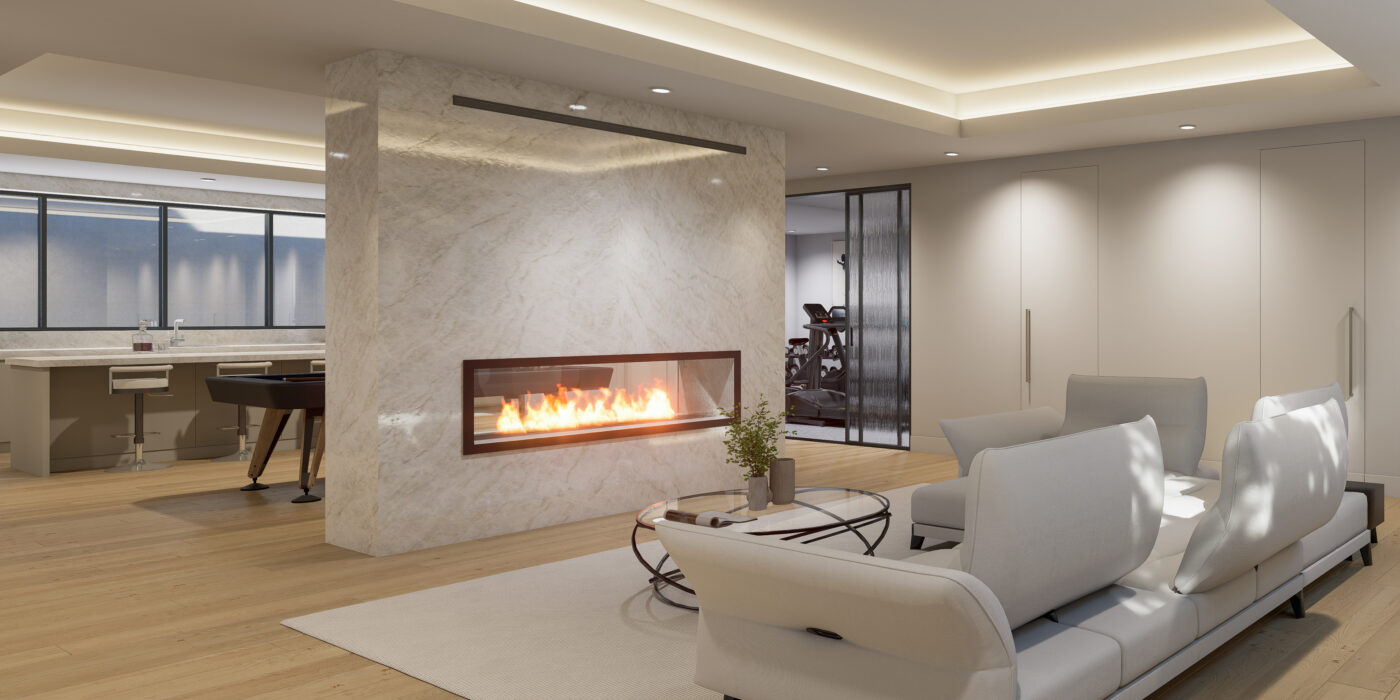
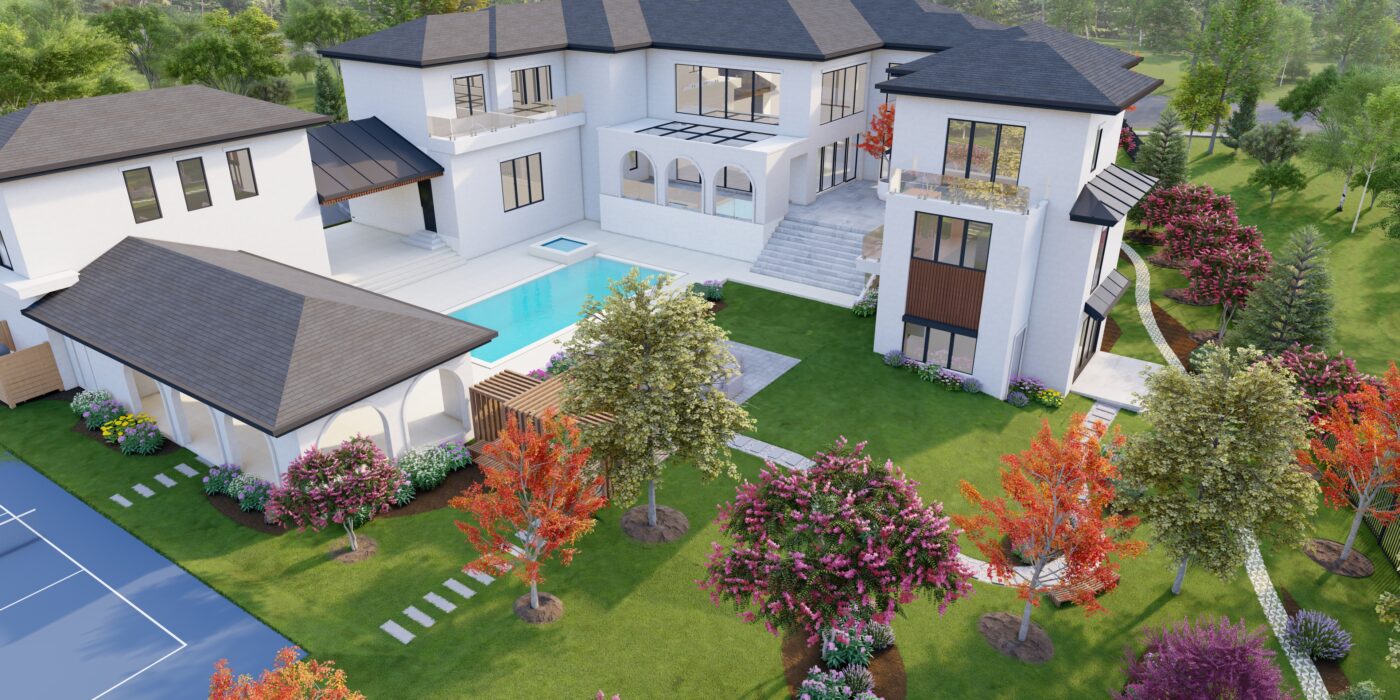
To see how modern layouts come together, explore this custom home builder portfolio of completed projects. It showcases how intentional design improves everyday living.

This strong focus on functionality is one major reason why new homes are more popular with buyers than existing homes.


Energy Efficiency and Lower Utility Costs

Energy efficiency is no longer optional. Buyers want homes that save money every month. New construction homes are built to meet stricter energy codes and modern standards.

These homes often include:

  • Advanced insulation systems

  • Energy-efficient windows

  • High-efficiency HVAC systems

  • Smart thermostats and lighting

Older homes may require costly upgrades to reach similar efficiency levels. According to this comparison by Rocket Mortgage on old house vs. new house, maintenance and energy improvements are common expenses in resale homes.

When a home is built with modern materials from the start, it performs better. Lower utility bills and improved comfort make a significant difference over time.

Investopedia also highlights market factors driving interest in new construction. You can read more in this article discussing why new homes are gaining popularity.


Reduced Maintenance and Greater Peace of Mind

One of the strongest advantages of new construction is reliability. Everything inside the home is brand new. Roofing, plumbing, electrical systems, and appliances have not experienced wear and tear.

In resale properties, hidden issues can surface after purchase. Repairs can become expensive and stressful. Forbes recently explored how aging homes can cost more than buyers expect. Learn more here:
Why old homes suddenly cost more than shiny new ones.

New homes typically include builder warranties. This coverage protects structural components and major systems. Buyers gain peace of mind knowing their investment is protected.

That sense of security plays a large role in why new homes are more popular with buyers than existing homes.


Personalization and Custom Features

Customization is another major factor driving demand. Buyers no longer want to remodel someone else’s style. They want homes that reflect their preferences from day one.

New construction often allows buyers to select:

  • Cabinet finishes

  • Countertops

  • Flooring materials

  • Paint colors

  • Fixtures and hardware

Instead of budgeting for renovations later, buyers can make selections during the building process.

Working with experienced professionals ensures these choices come together smoothly. Homeowners interested in custom construction can explore available services through this detailed overview of what professional home builders provide.

Personalization makes the home feel intentional and uniquely tailored.


Smart Home Technology Integration

Technology plays a bigger role in homeownership than ever before. New homes are often pre-wired for smart systems and integrated technology.

Common features include:

  • Smart security systems

  • Video doorbells

  • Automated lighting

  • Whole-home networking

Retrofitting older homes for smart features can be costly and complicated. New construction makes technology seamless from the beginning.

Buyers appreciate homes that are ready for modern living without additional upgrades.


Competitive Incentives and Long-Term Value

Builders frequently offer competitive incentives. These may include closing cost assistance or design upgrades. Such incentives can make new homes financially attractive.

In addition, newer homes often maintain resale appeal longer. Modern layouts and energy-efficient systems remain desirable in future markets.

While older homes may carry charm and history, they often require updates to stay competitive.


Conclusion

The growing demand is easy to understand. Why New Homes Are More Popular With Buyers Than Existing Homes centers on efficiency, modern design, lower maintenance, and personalization.

New construction provides predictability and long-term value. Buyers gain control over design choices and confidence in structural integrity.

For those considering building instead of purchasing resale, exploring professional guidance is an important first step. Learn more about quality construction and craftsmanship by visiting the GSS Builders homepage.

When ready to begin planning a custom home, take the next step here:
👉 Start Your Custom Home Journey Today

New homes offer more than new finishes. They offer clarity, comfort, and confidence in one of life’s biggest investments.

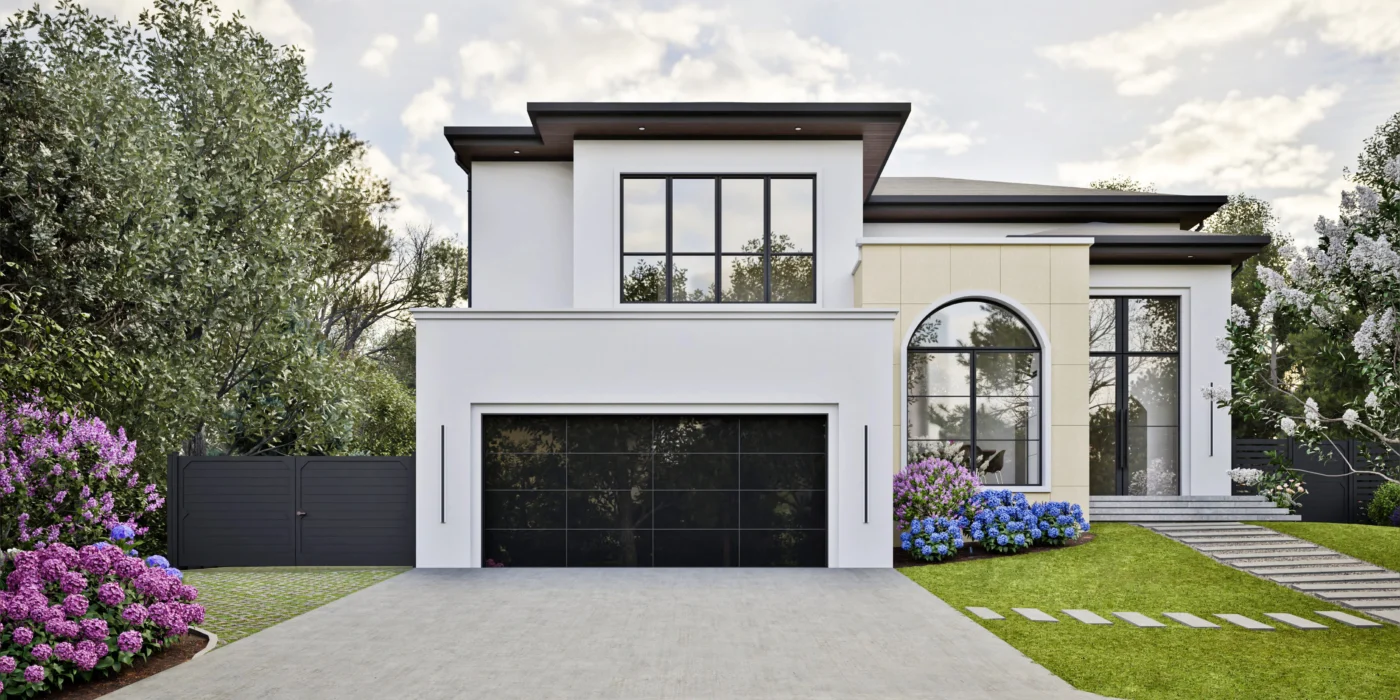
Front exterior rendering of 1427 Pathfinder Lane luxury home in McLean, Virginia.
CategoriesHome Building Home Buying Tips

How to Choose a Home Builder: Things to Know

Choosing the right home builder can feel overwhelming, exciting, and slightly terrifying all at once.
After a decade of blogging about homes and construction, I have seen every success story and horror story.
This guide will walk you through How to Choose a Home Builder with clarity, confidence, and fewer headaches.

Whether you are building your first home or your forever home, smart choices matter early.


Why Choosing the Right Home Builder Really Matters

Your home builder controls quality, timelines, and your stress levels for months.
A great builder becomes a partner, not just a contractor with a toolbox.
A bad builder becomes a daily source of regret and unexpected expenses.

Knowing How to Choose a Home Builder helps protect your budget and peace of mind.
It also ensures your home meets safety codes, design goals, and future resale value.

If you want inspiration and proven craftsmanship, visit the GSS Builders homepage to see what quality looks like.


Start With Research, Not Emotions

It is tempting to fall in love with the first builder you meet.
Slow down and treat this like a business decision.

Check Credentials and Licensing

Always confirm licenses, insurance, and certifications before any serious conversation.
Legitimate builders proudly share this information without hesitation.

You can also review trusted guidance from the National Association of Home Builders.

Review Past Work Carefully

A builder’s portfolio tells you more than any sales pitch.
Look for consistency, attention to detail, and completed projects similar to your vision.

Browse real examples through this home builder project portfolio for clarity.


Ask the Right Questions Before Signing Anything

Smart questions reveal how a builder truly operates.
Do not worry about sounding picky.
This is your future home.

Here are essential questions to ask:

  • How long have you been building homes locally?

  • What is included in your standard pricing?

  • How do you handle delays or unexpected costs?

  • Who manages the project daily?

Understanding communication styles helps avoid frustration later.

For additional insights, Houzz offers excellent advice in their guide on working with a home builder.


Understand Services, Not Just Prices

Price shopping alone leads to costly mistakes.
Low bids often hide shortcuts, cheap materials, or surprise add-ons.

Instead, focus on value and transparency.
A detailed estimate shows professionalism and honesty.

Explore the full range of construction services offered by visiting What We Do.
This helps you compare builders fairly and realistically.

When learning How to Choose a Home Builder, clarity beats cheap every time.


Read Reviews and Talk to Past Clients

Online reviews matter, but conversations matter more.
Ask builders for recent client references.

Speak directly with homeowners about:

  • Communication quality

  • Schedule accuracy

  • Budget management

  • Post-construction support

Patterns tell the truth.
One bad review happens.
Multiple similar complaints signal danger.


Pay Attention to Contracts and Timelines

Never rush contract reviews.
Every detail should be written clearly and understandably.

Key contract elements include:

  • Payment schedules

  • Completion timelines

  • Warranty coverage

  • Change order processes

If something feels vague, ask questions immediately.
Good builders welcome clarity and transparency.


Trust Your Instincts, Backed by Facts

Chemistry matters when working closely for months.
You should feel heard, respected, and informed.

However, instincts should support evidence, not replace it.
Combine research, references, and communication quality for the best decision.

That balance defines How to Choose a Home Builder successfully.


Ready to Build With Confidence?

Choosing a home builder does not need to feel stressful or confusing.
The right partner makes the process exciting and rewarding.

If you want expert guidance, proven experience, and clear communication, take the next step today.

👉 Start Your Project With Confidence

A simple conversation can turn your dream home into a real address.

CategoriesHome Building Home Ideas Interior Design Real Estate Trends

What Will Our Homes Look Like in 2026?

What Will Our Homes Look Like in 2026? A Peek Into the Near Future

After ten years of writing about homes, I can say this confidently.
The future is not flying cars.
It is smarter, calmer, and more human homes.

So, What Will Our Homes Look Like in 2026?
They will be practical, tech-aware, energy-smart, and designed for real life.
Not flashy.
Not cold.
Just better.

Let’s walk through what is shaping modern homes right now.


Smarter Homes That Actually Feel Smart

Smart homes in 2026 will feel less like gadgets and more like helpful assistants.
Technology will fade into the background.

Lights will adjust automatically based on daylight.
Thermostats will learn your schedule without constant tweaking.
Security systems will quietly protect, not overwhelm.

Voice control will still exist.
But automation will lead the way.

Homeowners will want systems that work without daily commands.
That means fewer apps and more integration.

Builders already plan homes around this future.
Wiring, layouts, and systems are designed early.

This is why working with experienced professionals matters.
You can explore real-world examples through the GSS Builders portfolio and completed projects.

Smart does not mean complicated anymore.
It means invisible convenience.


Flexible Spaces for Changing Lifestyles

One big answer to What Will Our Homes Look Like in 2026? is flexibility.

Homes will no longer serve just one purpose.
Rooms will adapt throughout the day.

A dining room becomes a workspace by morning.
A guest room becomes a fitness space by evening.

Remote work is not going away.
Neither is hybrid living.

People want homes that move with their lives.
Movable walls, built-in storage, and multi-use furniture will grow in demand.

Open layouts will remain popular.
But smart zoning will make a comeback.

Privacy matters again.

This shift pushes builders to rethink design basics.
Function is now as important as style.

Learn more about how modern layouts are planned through what professional home builders do.


Sustainable Homes Become the New Normal

Sustainability is no longer a luxury trend.
By 2026, it becomes expected.

Energy-efficient homes will be standard.
Not optional.

Solar-ready roofs will be common.
High-performance windows will reduce energy waste.
Better insulation will improve comfort year-round.

Homeowners want lower bills and smaller footprints.
Builders are responding fast.

Materials will also change.
Recycled wood, low-VOC paints, and durable finishes will dominate.

These choices are healthier for people and the planet.

Sustainability also increases home value.
Buyers notice long-term savings.

This is one reason custom building is growing.
People want homes designed with intention.

You can start exploring sustainable construction ideas on the GSS Builders homepage.


Design That Feels Warm and Personal

Minimalism is evolving.
Cold spaces are out.
Warm minimalism is in.

Homes in 2026 will feel calm and lived-in.
Natural textures will take center stage.

Expect more wood, stone, and soft fabrics.
Neutral colors will dominate, with personality accents.

People want homes that reduce stress.
Design will reflect that need.

Lighting will also play a major role.
Layered lighting creates mood and function.

Natural light remains king.

This approach blends beauty with comfort.
Homes will feel inviting, not staged.


Outdoor Living Gets an Upgrade

Another key answer to What Will Our Homes Look Like in 2026? is stronger indoor-outdoor connections.

Outdoor spaces will feel like extensions of the home.
Not afterthoughts.

Covered patios, outdoor kitchens, and fire features will grow popular.
Even smaller homes will prioritize outdoor comfort.

Large sliding doors will blur boundaries.
Fresh air becomes part of daily living.

This trend also supports wellness-focused lifestyles.
People want space to relax, breathe, and unplug.


The Human Side of Future Homes

Technology and design matter.
But people matter more.

Homes in 2026 will focus on comfort, health, and ease.
They will support how we actually live.

Noise reduction, better airflow, and thoughtful layouts will improve daily life.
Small details will make big differences.

Great homes start with listening.

That is why collaboration matters during construction.

If you are planning a future-ready home, now is the time to act.
Trends move fast, but good planning lasts decades.

Ready to Build a Home Designed for 2026?

Start your journey today and talk to the experts


Final Thoughts

So, What Will Our Homes Look Like in 2026?
They will be smarter, greener, and more flexible.
But most importantly, they will feel human.

The future of homes is not about showing off.
It is about living better, every single day.

And honestly, that future looks pretty comfortable.

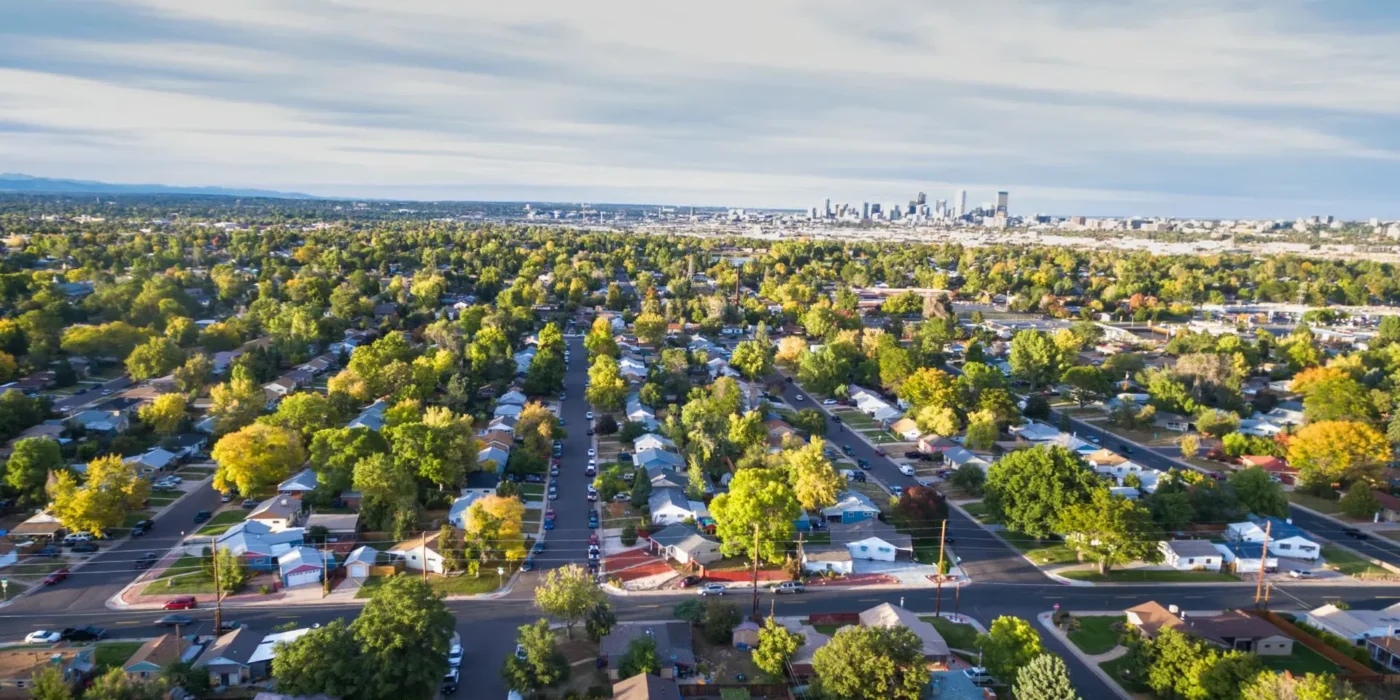
Northern Virginia Neighborhood
CategoriesHome Building Neighborhood Spotlight

Why More People Are Building Homes in Northern Virginia?

Northern Virginia has become a major hotspot for people dreaming of their perfect home. Many love the charm, the opportunities, and the lifestyle upgrades the region offers. You will see more construction happening in many neighborhoods today. So, why more people are building homes in Northern Virginia? Let’s break down the reasons behind this exciting trend.

If you want home-building ideas or inspiration, you can start with the GSS Builders homepage for helpful insights.


1. The Region Offers the Perfect Mix of City and Suburban Living

One of the top reasons people choose Northern Virginia is the perfect blend of suburban calm and city convenience. You can enjoy quiet evenings while remaining close to Washington, D.C., which offers endless attractions and career paths. This balance feels refreshing for many homeowners.

The region also offers beautiful communities, friendly neighbors, and attractive local destinations. You can explore fun places through Visit Fairfax, which showcases some of the best things to do in the area. If you want to see real custom home examples, you can browse the GSS Builders project portfolio for inspiration.

This lifestyle blend explains why more people are building homes in Northern Virginia rather than buying older houses that need major upgrades.


2. The Real Estate Market Remains Strong and Attractive

Another big reason the region draws new home builders is its stable and strong real estate market. Northern Virginia continues to grow at a steady pace each year. Property values stay reliable, and people feel confident investing in new builds.

The area also benefits from a strong job market supported by tech companies, government contractors, and federal work. You can check Northern Virginia economic reports for an idea of how stable and diverse the region’s workforce truly is.

Many families choose to build instead of buying older homes because they want modern layouts, better energy efficiency, and comfortable designs. You can explore what we do to see how professional builders help homeowners create custom spaces that match their lifestyle.

For people who love analyzing trends, websites like Zillow and Redfin provide helpful market data showing why Northern Virginia continues to be a smart long-term choice.


3. People Want Custom Designs That Match Their Lifestyle

A major trend today is personalization. Homeowners want spaces that reflect their daily routines and preferences. They want modern kitchens, open floor plans, home offices, and smart features that support their lifestyle.

Northern Virginia makes this easy because many communities support flexible building plans. This freedom attracts families, remote workers, and retirees who want homes built around comfort and convenience.

New homes also allow people to pick energy-efficient materials and sustainable features, which offer long-term savings. If you want to explore ideas, you can browse the GSS Builders portfolio to see real examples of creative layouts and custom finishes.

Outdoor living is becoming popular too. Many new homes in the region include large patios, private gardens, and beautiful decks. These features make daily life more relaxing and enjoyable.

If you want inspiration for design ideas or lifestyle upgrades, you can check guides from Houzz, which shares stylish concepts many homeowners love today.


4. Growing Communities and Better Quality of Life Make It Even Better

Northern Virginia offers excellent schools, beautiful parks, safe neighborhoods, and countless modern amenities. These qualities make the region a top choice for families and professionals. The area continues to improve every year with new restaurants, local businesses, and entertainment spaces.

You can explore local attractions through Virginia Tourism, which highlights events, parks, and cultural spots that improve daily living in the region.

Many families appreciate the healthcare options, road systems, and easy access to nature. These factors make the region feel complete, comfortable, and welcoming.

If you want to enjoy this lifestyle through a custom-built home, you can connect with a team that understands the area well through the Contact page.


Ready to Build Your Dream Home in Northern Virginia?

Northern Virginia continues to attract homeowners for many great reasons. The stable market, modern designs, friendly communities, and perfect balance of city convenience and suburban comfort explain why more people are building homes in Northern Virginia today.

If this inspired you to take the next step, you can talk to experts who can help you map out your home-building journey.
👉 Start your home-building conversation here: Contact GSS Builders

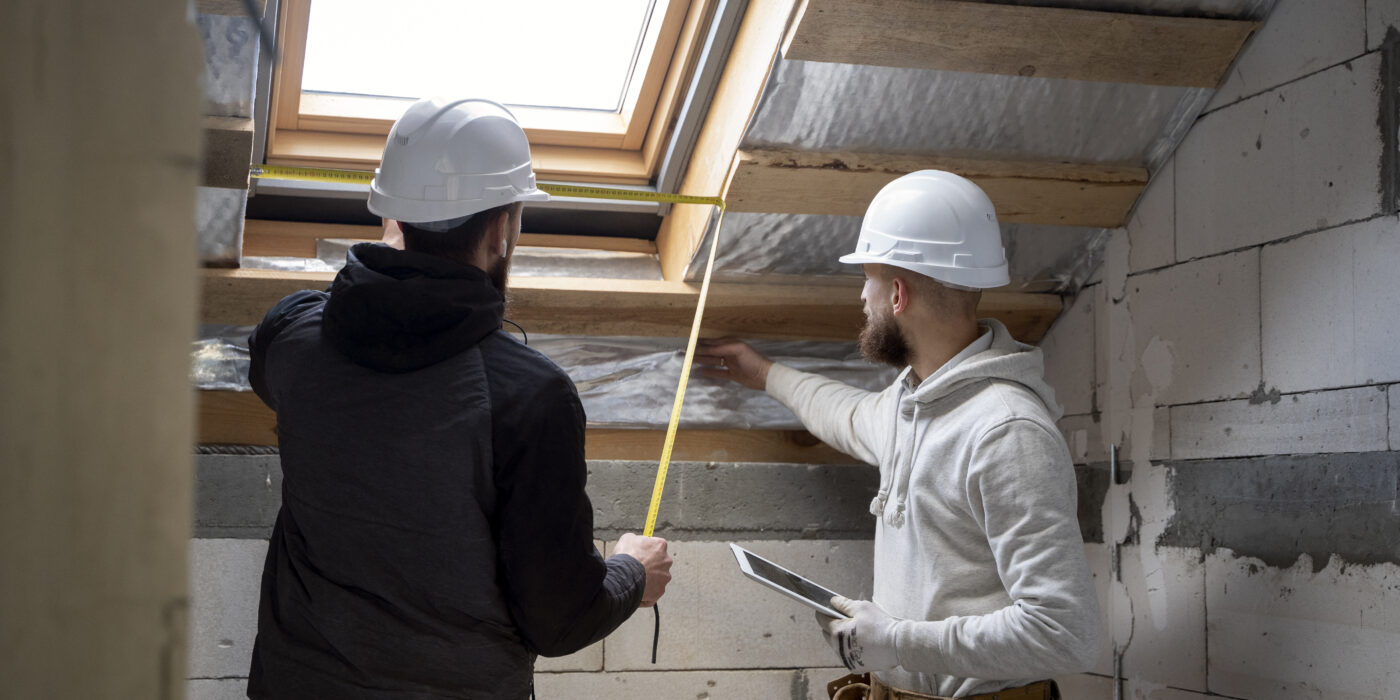
Home Inspection
CategoriesHome Building

What to Know About New Construction Home Inspections 2025

Building your dream home in 2025? That’s exciting! But before you pop the champagne, let’s talk about something that doesn’t always make it to the Instagram story: new construction home inspections. Even though your house is brand new, it still needs a professional once-over before you move in. Think of it as a final health check before handing over the keys.


Why New Construction Inspections Matter More Than Ever

Many people assume that because their home is newly built, it’s automatically flawless. Unfortunately, that’s not always the case. Even the most reputable builders can miss small issues during the construction process and those small issues can become expensive problems later.

A new construction home inspection in 2025 is your best way to ensure everything was built correctly, safely, and according to code. Home inspectors look at everything from the foundation to the roof, to make sure your new home meets the highest standards.

If you’re building with professionals like GSS Builders, your home is already in good hands. They’re known for their attention to detail, innovative designs, and quality craftsmanship. Still, inspections are part of the process that guarantees perfection before you settle in.


The Different Stages of a New Construction Inspection

Home inspections for new builds happen in three main stages. Each one focuses on different parts of the home, ensuring nothing is missed.

  1. Pre-Foundation Inspection
    This happens before the concrete is poured. The inspector checks the soil grading, plumbing lines, and structural layout. Catching mistakes early saves a lot of time and money later on.

  2. Pre-Drywall Inspection
    Once the framing, wiring, and plumbing are complete, but before drywall goes up. it’s inspection time again. This stage ensures the home’s internal systems are correctly installed and up to code.

  3. Final Inspection
    This happens right before closing. The inspector checks for cosmetic issues, safety hazards, and makes sure everything works as it should. It’s your final confirmation that your home is truly move-in ready.

For a closer look at homes that passed these stages beautifully, visit the GSS Builders portfolio. You’ll see how precision and creativity combine in every finished project.


Common Issues Found During Inspections (Yes, Even in New Homes)

You might be surprised at what inspectors find in brand-new homes. Common problems include minor plumbing leaks, missing insulation, reversed hot and cold faucets, and electrical miswirings. Sometimes, even the best builders can have subcontractors who rush certain steps.

Inspectors also check HVAC systems, roofing materials, drainage systems, and the integrity of walls and floors. These details might sound small, but they make a big difference in long-term comfort and safety.

Don’t skip this step, it’s like having a safety net before you move into your dream home. Plus, knowing what’s fixed or adjusted helps you feel confident that every nail, wire, and pipe is where it should be.

If you’re working with a team that handles everything from start to finish, check out What We Do. GSS Builders covers everything from land development to modern architecture, ensuring top-quality homes every time.


Why 2025 Is the Perfect Time to Build Smart

The construction industry is evolving quickly in 2025. Smart home technology, energy-efficient materials, and new building standards make this one of the best times to invest in a newly constructed home. However, these advancements also mean inspections need to be more thorough.

Inspectors now assess not only traditional construction elements but also modern systems like smart thermostats, solar panels, and advanced insulation methods. Keeping up with these trends helps you protect your investment and ensure your home stays efficient for years to come.

If you’re still deciding where to build, GSS Builders also offers land buying opportunities. Learn more about their services at We Buy Land.


Preparing for Your Own New Construction Home Inspection

Here’s a quick checklist to help you prepare for your inspection:

  • Bring a notebook to jot down observations or questions.

  • Ensure all utilities (electric, gas, and water) are connected.

  • Attend the inspection if possible, it’s a great learning experience.

  • Ask your inspector to explain any concerns in plain language.

  • Keep a copy of your inspection report for your records.

Remember, your inspector works for you, not your builder. They’re there to make sure you’re getting the quality you paid for.


The Bottom Line

When it comes to what to know about new construction home inspections in 2025, the key takeaway is simple: don’t skip it. A detailed inspection ensures your home is safe, efficient, and built to last.

Even the most skilled builders, like GSS Builders, encourage clients to schedule independent inspections. It’s all part of creating trust and transparency in every project. After all, your home isn’t just a building, it’s your future comfort zone.

If you’re ready to start building or have questions about inspections, you can contact GSS Builders here and chat with their friendly team. They’ll guide you through the process with professionalism and care.


Start Your Journey with Confidence

Building a new home should be exciting, not stressful. With the right builder, a professional inspector, and a little knowledge, you can enjoy peace of mind knowing your home is built to perfection.

Ready to make your dream home a reality? Talk to the experts today →


Want to learn more about how professional home inspections work? Check out resources from the American Society of Home Inspectors (ASHI) for national standards and best practices.

Homebuilding Checklist
CategoriesHome Building

Homebuilding Checklist: From Groundbreaking to Move-In

Building your dream home is one of the most exciting journeys in life. From the first shovel in the ground to that final moment when you turn the key, it is a rewarding experience filled with anticipation and creativity. To help you stay on track, here is your complete Homebuilding Checklist: From Groundbreaking to Move-In.


1. Planning and Preparation: The Foundation of Success

Every dream home begins with careful planning. Before construction starts, it is important to create a detailed plan that outlines your goals, design preferences, and budget.

Start by establishing a realistic budget that includes construction costs, permits, inspections, interior finishes, and a contingency fund. Always prepare for surprises because they tend to happen in every building project.

Next, choose a trusted builder who understands your vision and values quality. Explore the GSS Builders portfolio to see how expert craftsmanship transforms ideas into beautiful homes.

Do not overlook the paperwork. Secure permits and zoning approvals before breaking ground to avoid unnecessary delays. At this stage, clear communication between you, your architect, and your builder is essential. To learn more about how professionals manage this process, visit What We Do.

If you want to understand local building standards and regulations, check out resources from the National Association of Home Builders for additional insights.


2. Groundbreaking to Framing: Watching Your Home Take Shape

Once the planning is complete, it is time to break ground. This stage begins with site preparation such as clearing debris, leveling the lot, and setting the foundation. The foundation is crucial because it supports everything else that follows.

Afterward, framing begins and your home’s skeleton starts to appear. You will see walls, floors, and roof outlines forming, giving life to your blueprints. This is often one of the most exciting phases because you finally see your design becoming reality.

During this period, essential systems like plumbing, electrical wiring, and HVAC installations are completed. Always inspect these systems before walls are closed to ensure compliance with codes and to prevent costly repairs later.

For homeowners who value transparency and quality, GSS Builders provides consistent updates throughout the construction process, ensuring that every milestone meets the highest standards.

You can also visit the U.S. Department of Energy’s Energy Saver guide to learn how to make your home more energy-efficient during construction.


3. Interior Finishes and Move-In: The Final Chapter

Once your home is framed and weatherproofed, it is time to bring it to life. This stage includes insulation, drywall installation, flooring, painting, cabinetry, and lighting fixtures. It is where you add personality and comfort to your living spaces.

Your builder will schedule several inspections to ensure safety and compliance. Afterward, you will go through a final walkthrough to create a checklist of any small corrections or finishing touches. A reputable builder will complete these quickly so you can move in with confidence.

When everything is ready, it is time for furnishings, utility connections, and your big move. Make sure to celebrate the moment because this is the reward for all your planning and patience.

For visual inspiration, browse the GSS Builders portfolio and see how other homeowners have turned their visions into reality.


Pro Tips for a Stress-Free Homebuilding Experience

  1. Stay Organized – Keep all documents, receipts, and contracts in one place for easy reference.

  2. Communicate Regularly – Keep an open line with your builder to avoid misunderstandings.

  3. Document Each Phase – Take progress photos and notes; they help track progress and provide memories of the journey.

  4. Prioritize Energy Efficiency – Invest in insulation, quality windows, and appliances that save long-term costs.

  5. Do Not Rush – Quality takes time. Waiting a bit longer for a better finish is always worth it.

For more details on the construction process and expert guidance, visit What We Do.

You can also find helpful tips on interior design and remodeling from Houzz to start planning your décor.


Ready to Begin Your Homebuilding Journey?

Building a home is not just about walls and roofs. It is about creating a place that reflects your story, values, and dreams. Whether you are starting from scratch or designing your forever home, choosing the right builder makes all the difference.

At GSS Builders, our team is dedicated to guiding homeowners through every step of the process, from the initial groundbreaking to the day you move in. We combine craftsmanship, communication, and care to ensure every home we build stands the test of time.

If you are ready to start planning your dream home, connect with our team today.
👉 Start your homebuilding journey here


Additional Reading and Resources

  • Learn about homebuilding costs and budgeting from Investopedia.

  • Explore modern architectural styles on ArchDaily.

  • Read more about green building certifications at LEED.


Final Thoughts:
With the right Homebuilding Checklist: From Groundbreaking to Move-In, the process becomes easier, smoother, and more enjoyable. Every nail, tile, and paint stroke brings you closer to your dream. With planning, patience, and the right partner, your dream home will soon be a beautiful reality.

steel bar on site of construction
CategoriesHome Building

How Long Does It Take to Build a Foundation?

When planning your dream home, one of the first big questions that comes up is, “How long does it take to build a foundation?” It might sound like a simple step, but laying a strong foundation is one of the most critical parts of any home construction project. After all, this is where everything, literally, rests.

Let’s take a light-hearted yet practical walk through what goes into this process, how long it takes, and why patience pays off when it comes to pouring the perfect foundation.


Step One: Prepping the Ground – The Calm Before the Pour

Before any concrete flows, the site needs preparation. This stage involves clearing debris, grading the soil, and marking out where your foundation will sit. Think of it like drawing the outline of your future masterpiece before picking up a brush.

Depending on your lot’s condition, this part can take one to five days. If you’re building on a tricky slope or rocky terrain, expect a few extra days for excavation and soil stabilization.

During this phase, your builder also installs wooden forms that shape the foundation and ensures proper measurements for load-bearing walls.

If you’re curious about how builders like GSS Builders handle this process, you can check out their What We Do page to see their expertise in creating precision-engineered homes that stand the test of time.


Step Two: Pouring the Concrete – The Main Event

Now comes the exciting part: the actual pouring. Most people assume this is a one-day task, but it depends on the foundation type.

Here’s a quick breakdown of average timelines:

  • Slab Foundation: 1 to 2 days (including prep and pouring)

  • Crawl Space Foundation: Around 2 to 3 days

  • Full Basement Foundation: 3 to 5 days

The pouring itself might take just a few hours, but the work around it, like setup, leveling, and smoothing, adds time. Once the concrete is poured, it’s carefully leveled and left to settle.

And here’s a fun fact: concrete doesn’t actually “dry”, it cures. That means it hardens over time through a chemical reaction that strengthens it. So, while you might see workers wrapping up after a day or two, the real magic happens over the next several days.

If you want to visualize what a well-finished project looks like, you can browse GSS Builders’ portfolio of completed homes, each one built on a foundation poured with expert precision.


Step Three: Curing Time – The Waiting Game (Worth Every Minute)

Curing is where patience truly pays off. It takes at least 7 days for concrete to gain enough strength to handle light framing. However, for full strength, concrete typically needs 28 days to cure completely.

Builders usually wait about a week before starting to build on the foundation. Rushing this step could lead to cracks, uneven settling, or costly repairs down the road. It’s a classic example of “good things take time.”

During curing, you might see your builder keeping the foundation damp. This isn’t overkill, it’s actually essential! Moisture helps concrete cure evenly and prevents cracking.

So, when someone asks “How long does it take to pour a foundation?” remember that while the pouring might take only a day or two, the entire process, from preparation to curing, can stretch anywhere from one to four weeks, depending on the project’s size and complexity.


Factors That Can Affect the Timeline

Even the best-laid plans can run into delays. Here are a few common factors that can extend the process:

  • Weather Conditions: Rain or extreme heat can delay curing or pouring schedules.

  • Soil Conditions: Poor soil or unexpected underground issues might require additional reinforcement.

  • Foundation Design: Complex designs or deeper basements take longer to form and pour.

  • Inspections: Local building inspections can add a few days, depending on scheduling.

If you’re working with a trusted contractor, they’ll typically walk you through each stage so you’ll always know what’s happening.


Why Choosing the Right Builder Matters

A great foundation isn’t just about concrete; it’s about craftsmanship, precision, and experience. The right builder knows how to adapt to challenges, manage timelines, and ensure your home starts with a solid base.

If you’re still in the planning phase and wondering who can make your foundation (and dream home) rock-solid, check out GSS Builders’ expertise. Their team has years of experience crafting custom homes with unmatched attention to detail and construction quality.


Ready to Build Your Dream Home?

Pouring a foundation takes time, planning, and the right team, but the results are worth every minute. When your home stands firm for decades, you’ll be glad you waited for perfection.

If you’re ready to start planning your next build, reach out to the professionals at GSS Builders. Their experienced team can walk you through the process, provide accurate timelines, and turn your ideas into a lasting structure.

👉 Contact GSS Builders today to get started and lay the groundwork for your dream home.


Final Thought:
So, how long does it take to pour a foundation? The short answer: a few days to pour, a few weeks to cure, but a lifetime of strength when done right.

For more home-building tips and inspiration, you can explore helpful resources from GSS Builders or visit industry guides like The Concrete Network to learn more about the science behind the process.

Because when it comes to foundations, slow and steady truly wins the house. 🏠